Skip to content

Piano

The piano is a keyboard-operated chordophone in which felt-covered hammers strike tensioned strings inside a resonating wooden structure. Its broad pitch range allows one performer to combine bass, harmony, melody, counterpoint, and rhythm. In Caribbean ensembles the piano is often as much a rhythmic instrument as a harmonic one, using syncopated chord patterns and melodic figures to lock into percussion and bass.

Instrument Classification

Instrument Family:

chordophone

Instrument Type:

Keys activate a mechanical hammer action that strikes strings

Playing Technique:

struck

Sound Production:

Hammers set metal strings into vibration; bridges transfer that vibration to a wooden soundboard, while pedals modify sustain and resonance.

Hornbostel–Sachs Classification:

314.1-8 — true board zither with keyboard (MIMO/Grinnell classification for piano).

Primary Material

Wooden case and soundboard, cast-iron frame, steel strings with copper-wound bass strings, felt hammers, keyboard mechanism, metal hardware.

Origins & Historical Background

Construction

Inside a piano, strings of different lengths and thicknesses are stretched under high tension across a heavy frame. They pass over bridges connected to a broad wooden soundboard. Pressing a key triggers a lever mechanism that throws a felt-covered hammer against the appropriate string or string group and then allows it to rebound. Dampers stop vibration when keys are released unless the sustaining pedal lifts them. Grand and upright pianos arrange the soundboard and string plane differently but use the same essential principle.

Playing technique

The pianist uses both hands to combine independent bass lines, chords, inner voices, and melodies. Touch controls dynamics and articulation, while pedals shape sustain and resonance. In dance music, the left hand can reinforce bass and pulse as the right hand plays syncopated chords or melodic figures. In modern Tumba, piano accompaniment connects harmonic progression with rhythmic subdivision and interacts closely with bass and percussion.
Cultural Significance

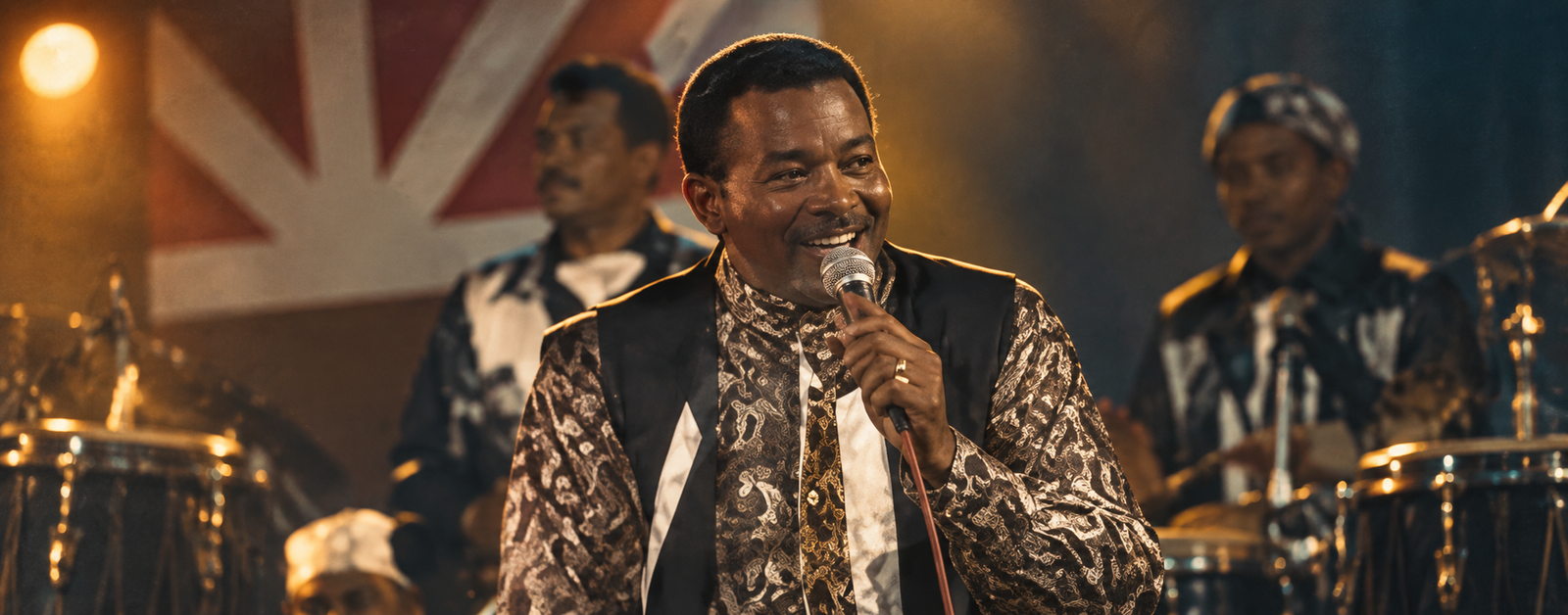
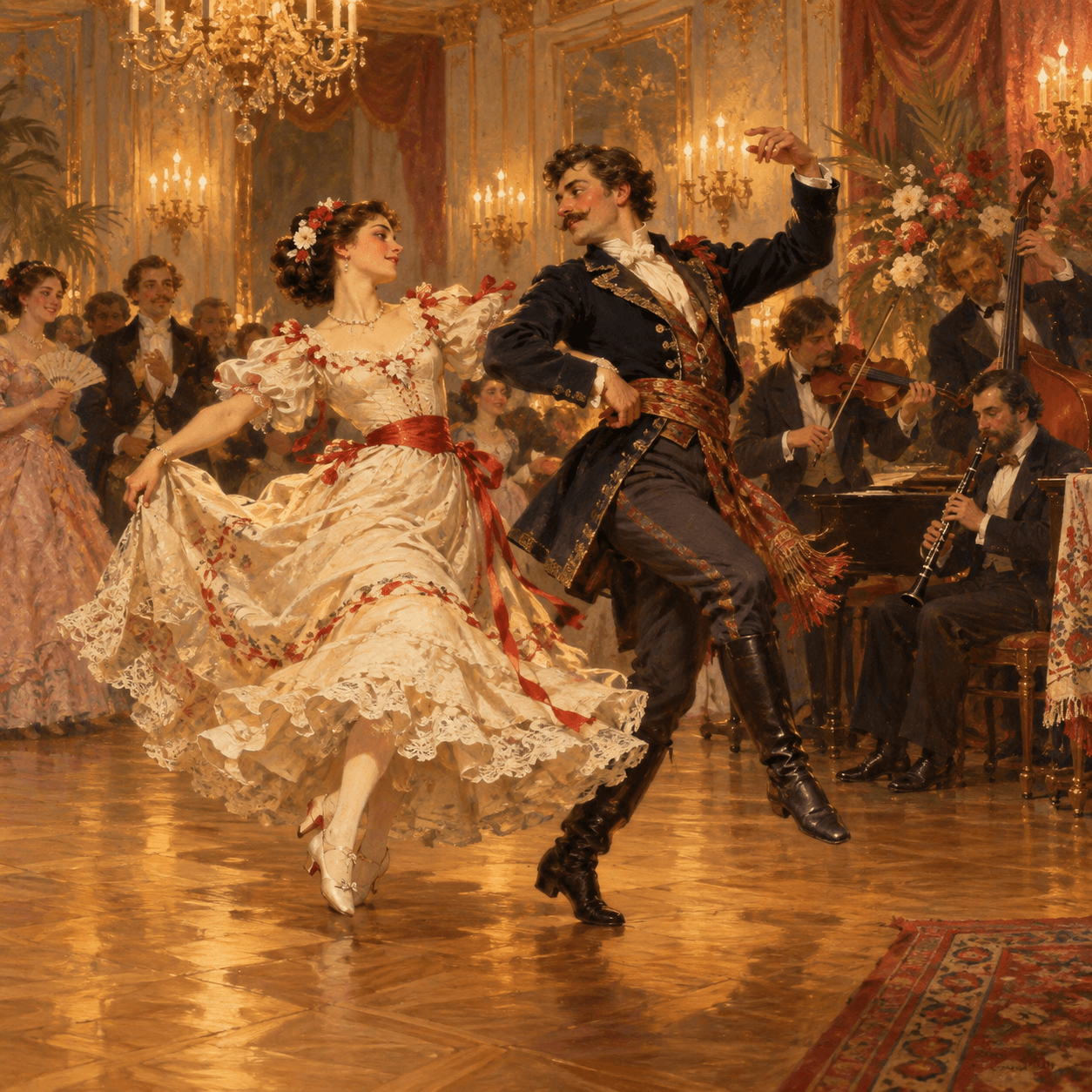
The piano occupies a distinctive place in Curaçaoan music because it became a vehicle for both composed art music and living dance traditions. Curaçaoan composers have written waltzes, mazurkas, danzas, and tumbas for piano, blending European formal inheritance with Caribbean and Afro-Curaçaoan rhythmic language. In contemporary Tumba ensembles the piano remains part of the harmonic-rhythmic foundation, linking historical salon traditions with modern stage performance.

Related Rhythms

TUMBA Rhythms - Harry Zimmerman in Concert 1990
Tumba rhythm
A Curaçao rhythm and dance tradition rooted in carnival, social celebration, and cultural identity.
MAZURKA Encyclorhythm - Rhythm featured image (1)
Mazurka rhythm
A Polish-rooted music and dance tradition whose triple pulse, shifting accents and expressive movement travelled into European, Caribbean and other regional repertoires.

Related Region

Region - Curacao
Curacao
Region
The island is characterized by a culturally diverse population shaped by African, European, and Latin American influences. This multicultural background has significantly influenced Curaçao’s musical identity.