Skip to content
Curacao

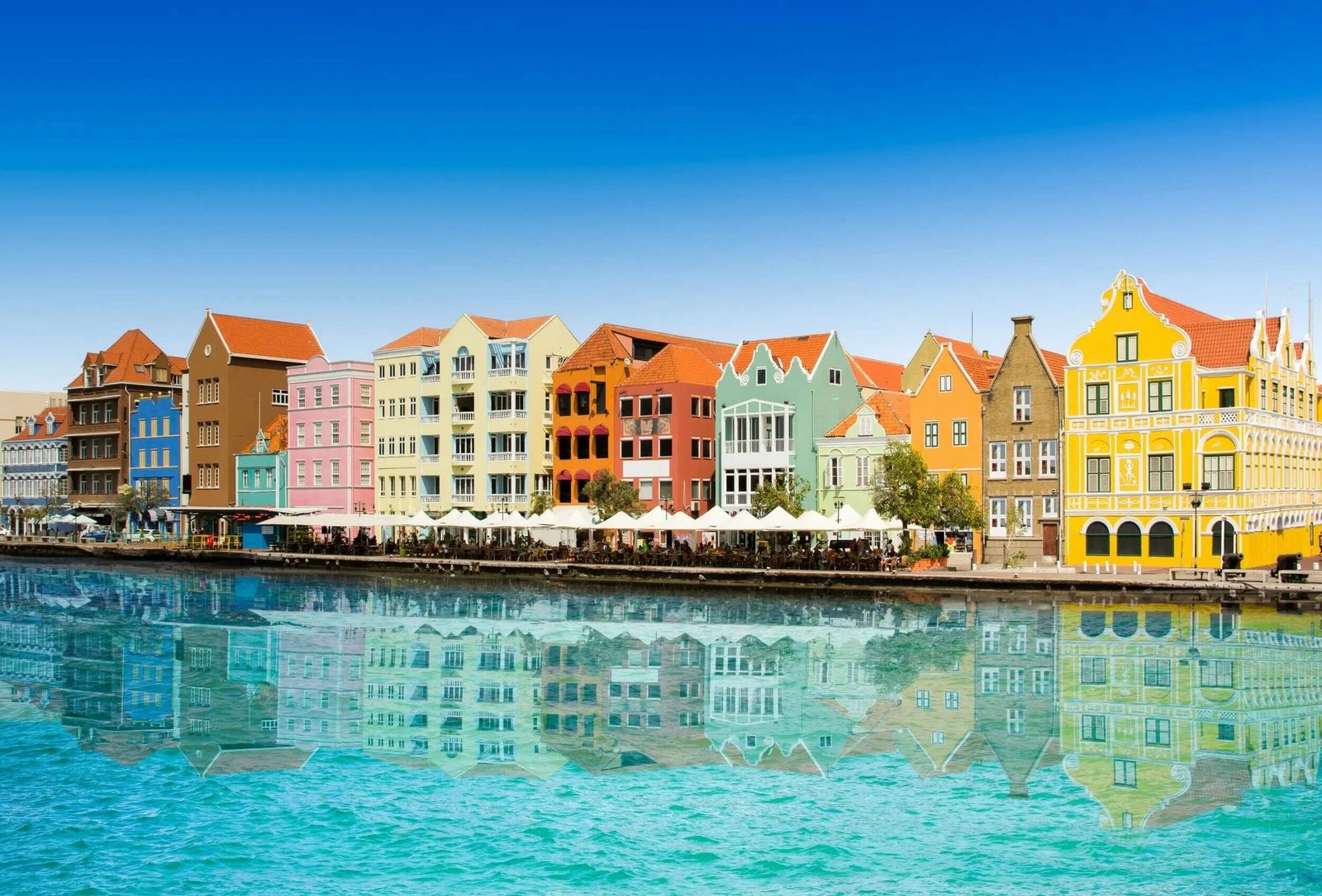
Curaçao is a Caribbean island located in the southern part of the Lesser Antilles, just off the northern coast of Venezuela. It is a constituent country within the Kingdom of the Netherlands and forms part of the ABC islands (Aruba, Bonaire, and Curaçao).

The island is characterized by a culturally diverse population shaped by African, European, and Latin American influences. This multicultural background has significantly influenced Curaçao’s musical identity, resulting in a rich and hybrid rhythmic tradition.

Music in Curaçao is deeply embedded in daily life, social gatherings, and national celebrations. Traditional rhythms such as tambú, tumba, and seú coexist with modern Caribbean and global genres, making the island a dynamic musical environment.

History

The musical traditions of Curaçao are rooted in its colonial history and the transatlantic slave trade. During the 17th century, enslaved Africans were brought to the island, bringing with them musical structures, rhythmic patterns, and spiritual practices that became foundational to Curaçaoan music.

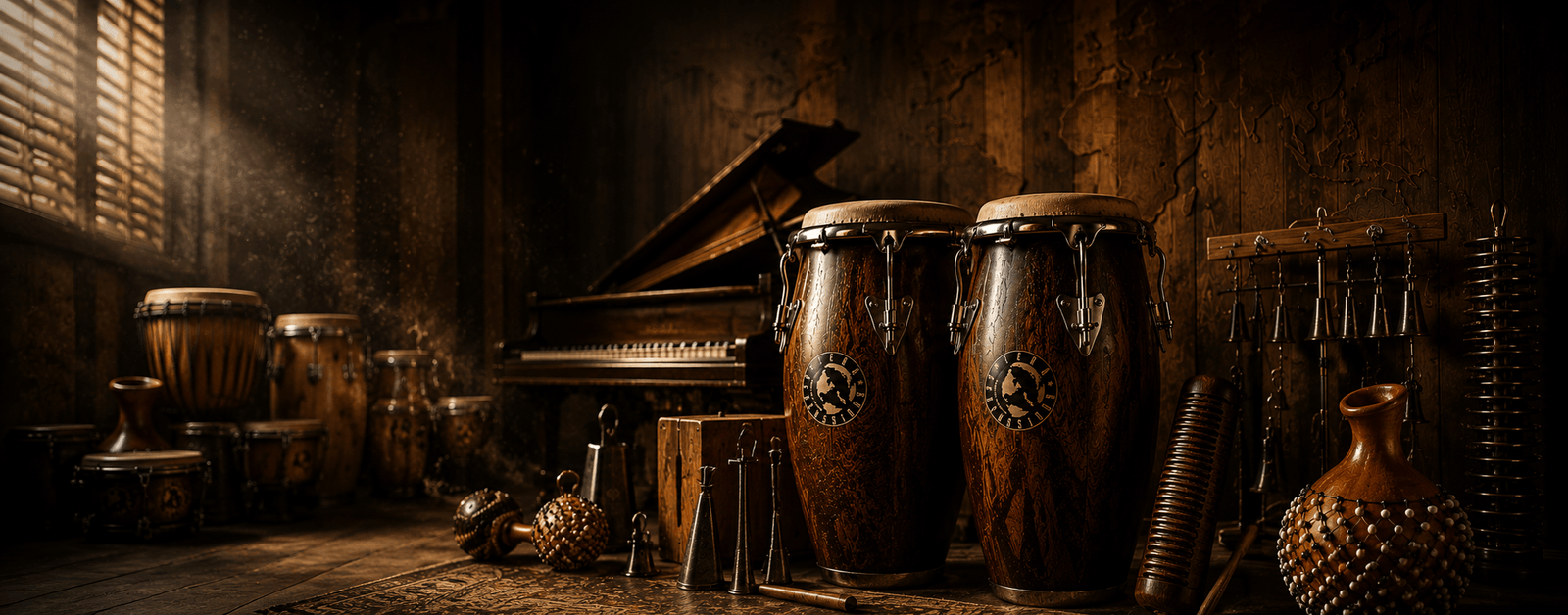
Because enslaved populations were often restricted from using traditional instruments like drums, they adapted by using everyday objects such as hoes (chapi), iron tools (agan), and water-filled barrels to produce rhythm.

Music served multiple purposes:

  • Emotional expression (especially in tambú)

  • Coordination of labor (work songs)

  • Cultural preservation and resistance

Over time, African musical traditions merged with European dance forms such as waltz, mazurka, and danza, as well as Latin Caribbean influences.

By the 19th and 20th centuries, Curaçao had developed a distinct musical identity, with genres like tumba becoming central to national celebrations such as Carnival.

Key Rhythmic Identity of Curaçao

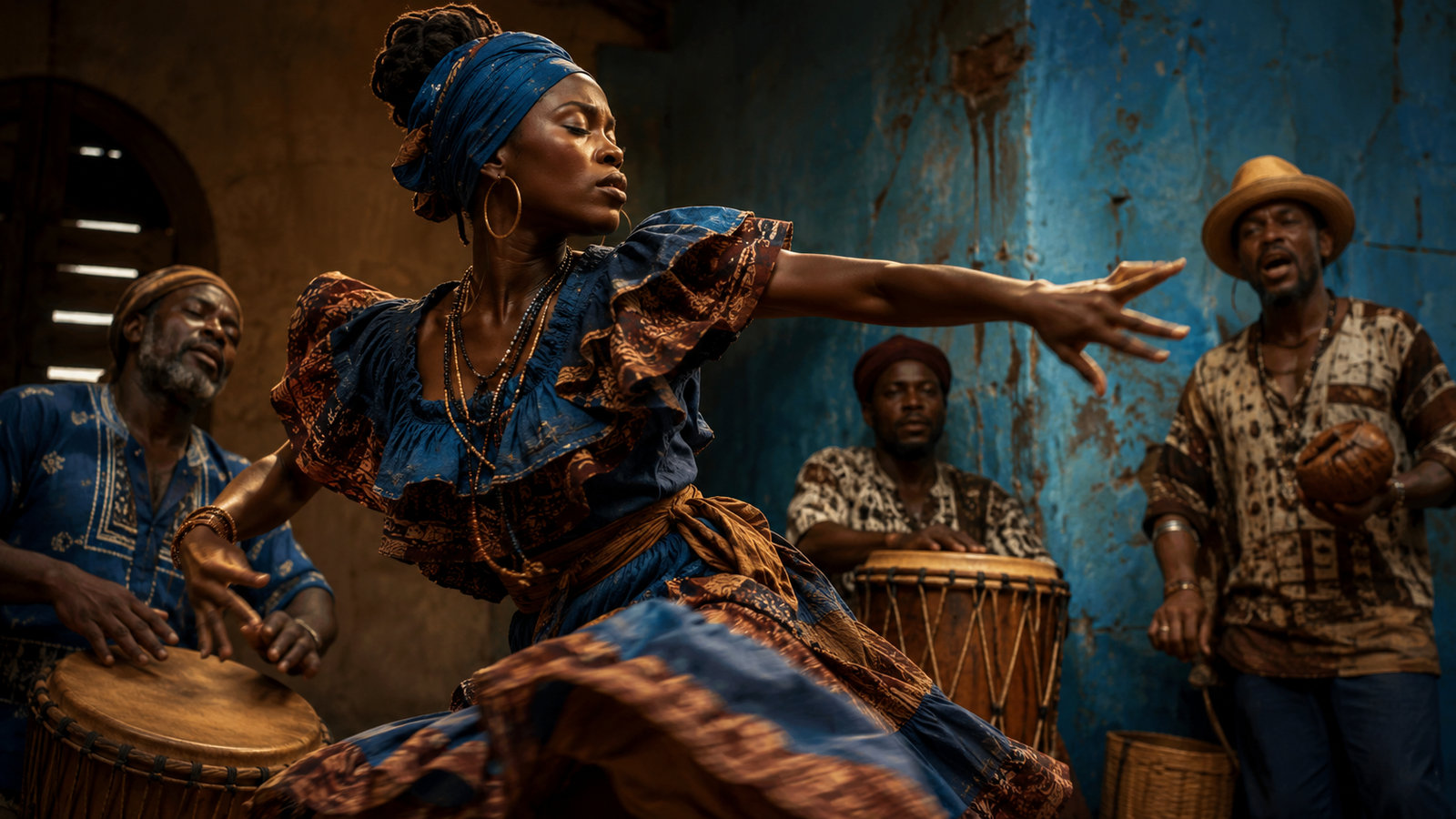
Tambú

  • Oldest and most culturally significant rhythm

  • Originated among enslaved Africans

  • Used for emotional expression and communication

  • Characterized by:

    • Call-and-response singing

    • Strong drum patterns

    • Hand clapping

  • Often referred to as the “Curaçao Blues”

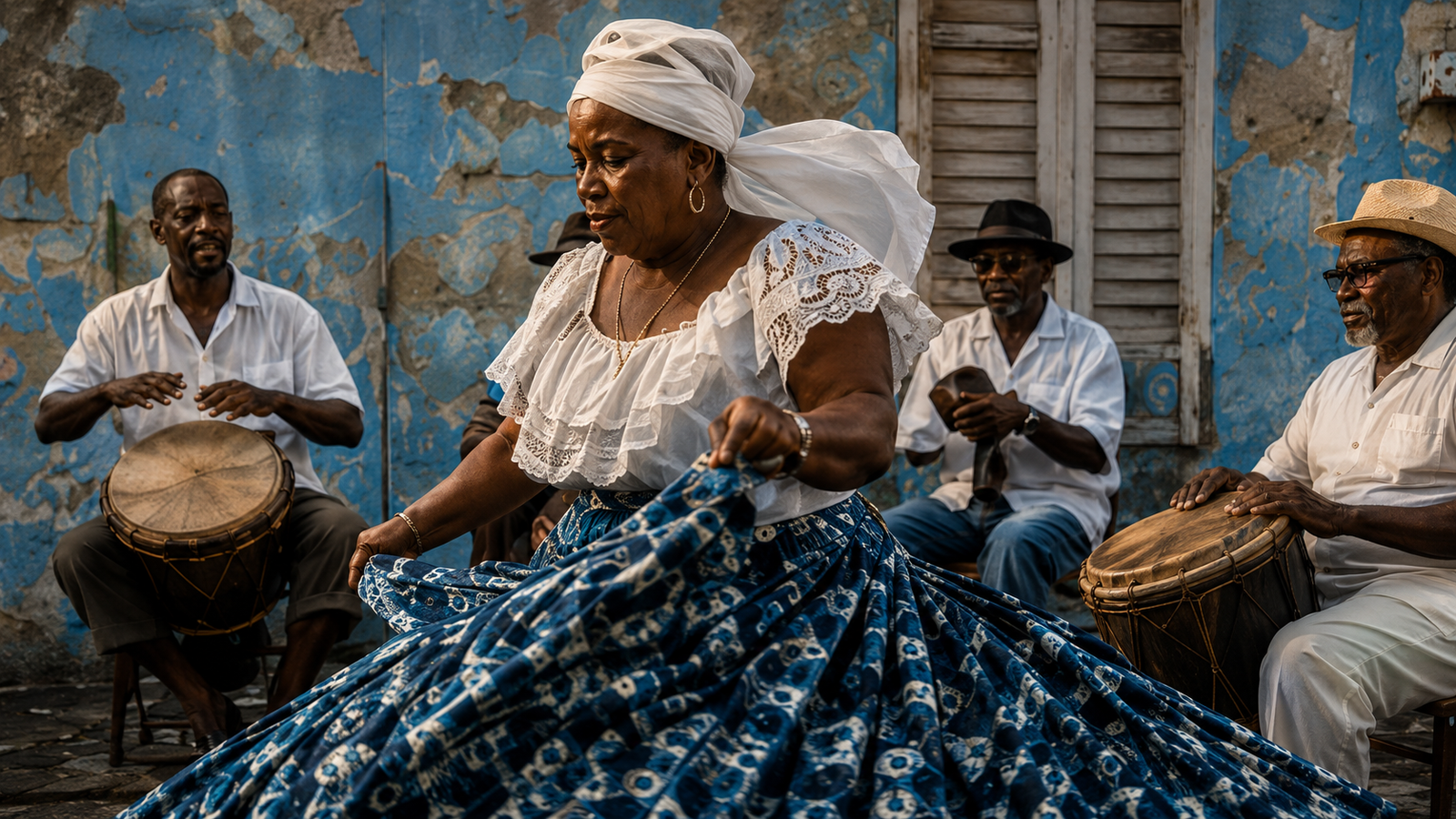
Seú

  • Agricultural harvest rhythm and dance

  • Mimics planting and harvesting movements

  • Now performed mainly during annual Easter parades

  • Represents communal labor and celebration

Tumba

  • Most popular and modernized traditional genre

  • African origin with Caribbean and Latin influences

  • Central to Carnival celebrations

  • Official music of the Carnival Road March since 1971

Labor Songs

  • Functional music used during work (digging, rowing, etc.)

  • Often sung in early Creole or Afro-Portuguese dialects

  • Helped synchronize group labor and preserve oral tradition
Geography & Communities

test text

Cultural Notes

test text

Gallery

Audio Recordings

Tumba 2026: Amos "AmoreusZ" Balentin - Tin hende bon Hende. - ICONS

This is just a test audio file only for the purpose of designing the single post template for the regions. We do not own the rights of this production.

Video Recordings

Marcha di Seú | Tourism Promo Video | Curacao | Nestor G Zavarce Photo + Film

Watch Video

Curacao's harvest festival | Marcha di Seú The annual Seu Parade is a traditional parade to be thankful for a good harvest and to hope for another one. The parade features traditional costumes, music and food. E marcha di Seú ta un marcha kultural ku pueblo di Kórsou ta hasi tur aña pa agradesé e kosecha i pa warda tin otro bon kosecha nobo. E marcha mustra kos kultural di Kórsou manera trahe, música i kuminda. Music info: Song: "Sigui mi" Singer: Rashid Felida - Kantadó mayó 2014 Every person has a story. Allow us to capture yours. Book NOW with us... Nestor G Zavarce https://nestorgzavarce.com/wp/

Supporting documents

Tumba test doc

Open Document

This is a test document only for the purpose of designing the single post template for the regions.

Related Rhythms

58
Mazurka
55
Tambú
57
Antillean Waltz
56
Seú
59
Danza
53
Tumba

Related Instruments

Agan (metal percussion)
Tambú (drum)
Chapi (hoe blade idiophone)
Kachu (cow horn)
Version 1.0.0
Wiri / Güiro (scraper)

Evidence & Sources

Cover-1
The Music of Curaçao (Test Source)
Gregory Colina
2020
test citation text