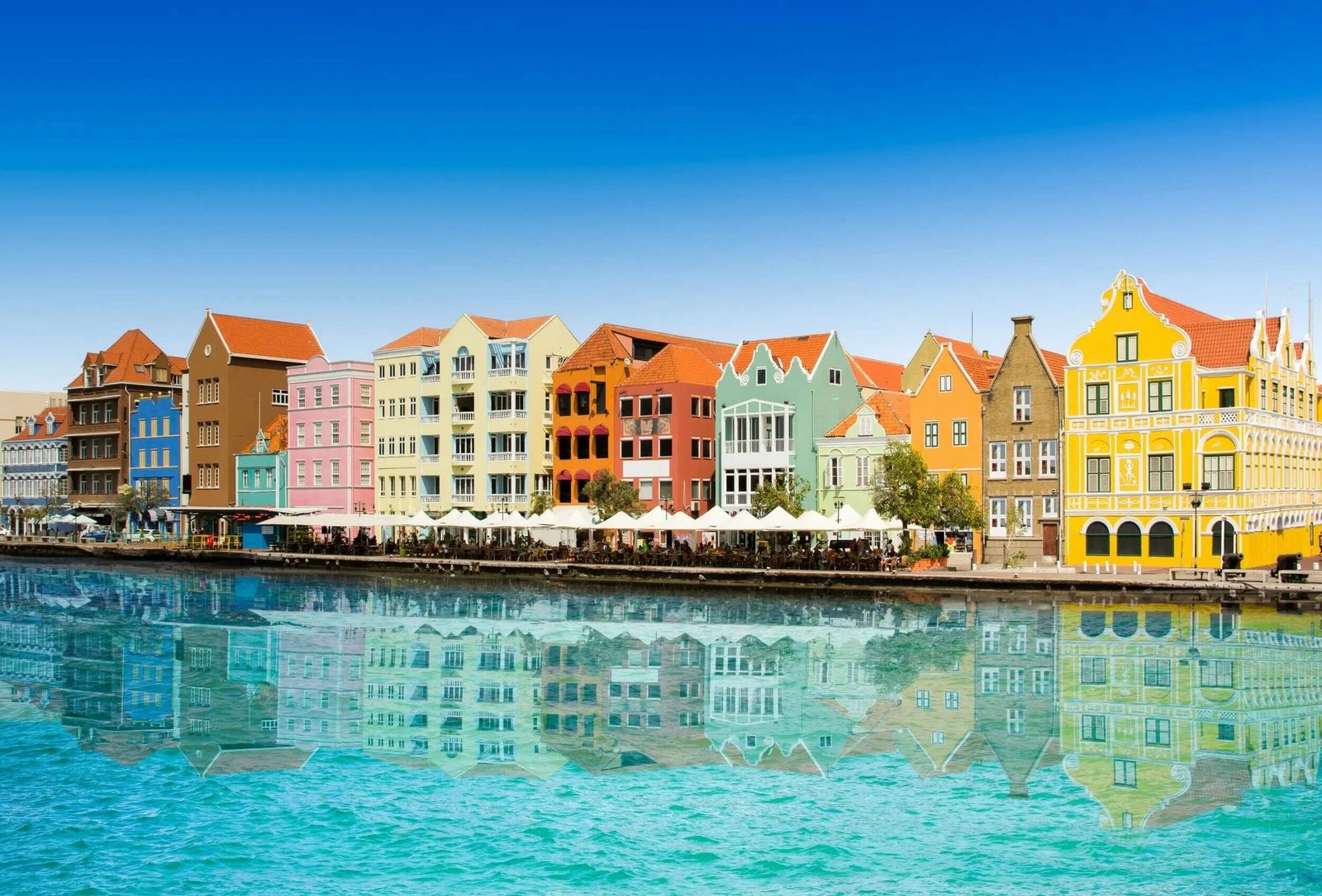
Tumba is a traditional Afro-Caribbean rhythm and musical genre originating in Curaçao and the ABC islands (Aruba, Bonaire, Curaçao). Today it is recognized as one of the most important musical expressions of Curaçaoan cultural identity and is especially associated with the Carnival season and the annual Tumba Festival, where new compositions compete to become the official Carnival anthem.
Musically, tumba belongs to a family of African-derived 6/8 rhythmic traditions that spread across the Caribbean through the trans-Atlantic slave trade. Although the rhythm is sometimes written in 2/4, its underlying structure is based on African cross-rhythm and hemiola relationships derived from 6/8 timeline patterns.
Tumba integrates African rhythmic logic with European harmonic systems and modern orchestral instrumentation. As a result, the genre functions both as a traditional cultural rhythm and a contemporary popular music style performed by large Carnival orchestras.
Historical Background
Geographic Origin
Tumba developed on the islands of:
• Curaçao
• Aruba
• Bonaire
collectively known as the ABC islands. Among these islands, Curaçao became the primary center of the rhythm's development, particularly through Carnival traditions and festival competitions.
Socio-Historical Context
The origins of tumba are directly connected to the trans-Atlantic slave trade. After the Dutch West India Company captured Curaçao in 1634, the island became a major trading and redistribution hub for enslaved Africans. Historical records indicate that enslaved populations brought to Curaçao came from several regions of West and Central Africa, including:
• Sierra Leone
• Ghana
• Congo
• Angola
• Senegal
• Guinea
• Togo
• Nigeria
• Ivory Coast
These populations brought musical traditions based on complex polyrhythmic structures and 6/8 timeline systems, which formed the rhythmic foundation for several Afro-Curaçaoan musical traditions.
Two of the most important rhythmic descendants of these traditions are:
• Tambú
• Tumba
Both rhythms share structural elements with West African rhythmic systems, particularly those associated with the Ewe and Yoruba cultural regions.
Why the Rhythm Emerged
Tumba emerged as part of a broader process of cultural preservation and adaptation among enslaved African communities. Music served several essential functions:
• maintaining cultural identity
• enabling communal expression
• supporting dance and celebration
• creating social cohesion
Over time, African rhythmic structures merged with European harmonic practices and Caribbean performance traditions, producing new musical forms unique to the region.
Tumba eventually evolved into a Carnival celebration rhythm, representing joy, competition, and community identity.
Development Over Time
Early Afro-Curaçaoan Forms
The earliest forms of tumba were likely closer to African drumming traditions, characterized by:
• 6/8 rhythmic structures
• call-and-response interaction
• percussion-centered ensembles
• strong connections to dance
These forms were closely related to Tambú, another Afro-Curaçaoan rhythm with strong African cultural roots.
Early Carnival Tumba (1970s)
The modern Carnival tradition began when the Tumba Festival was established in 1971.
At that time, tumba songs had relatively simple musical structures:
Typical characteristics included:
• short duration (3–4 minutes)
• relatively slow tempo
• simple melodies
• basic harmonic progressions (tonic–subdominant–dominant)
• limited rhythmic variation in percussion
• simple piano accompaniment patterns
• horns used mainly for introductions and endings
Other Caribbean rhythms such as Seú, Plena, and Calypso sometimes influenced the arrangements.
Expansion in the 1980s and 1990s
During the 1980s and 1990s, tumba arrangements became more complex and orchestral.
Changes included:
• longer introductions (16 bars or more)
• independent horn arrangements
• more elaborate melodic structures
• faster tempos
• expanded harmonic vocabulary
• introduction of bass drum patterns
• choreographed dance performances
Large orchestras and big bands began performing tumba compositions during Carnival events.
Modern Tumba (2000–present)
Contemporary tumba music continues to evolve.
Modern characteristics include:
• longer compositions (5–6 minutes)
• more complex melodies
• richer harmonic structures
• syncopated bass lines
• more variation in cowbell and percussion patterns
• choreographed stage performances
• integration of rhythms such as Seú, Tambú, Plena, Salsa and Calypso
Today, tumba exists both as a traditional cultural rhythm and a modern popular music genre.
Modern Practice
Influence of Technology
Technology has transformed the production and performance of tumba music.
Modern tumba ensembles frequently incorporate:
• digital recording technology
• electronic keyboards and synthesizers
• amplified instruments
• digital mixing and mastering
Music production tools allow composers to experiment with complex orchestration and layered rhythmic textures.
Modern Adaptations
Modern musicians have introduced new influences including:
• salsa
• Caribbean pop
• Latin jazz
• contemporary orchestral arranging techniques
These influences have expanded the rhythmic and harmonic vocabulary of tumba while preserving its African rhythmic core.
Future Directions
Future developments may include:
• digital rhythm libraries
• interactive rhythm education tools
• global collaborations with Afro-diasporic music traditions
• integration with electronic music production
As global awareness of Afro-Caribbean music grows, tumba may become increasingly recognized internationally as a distinct rhythmic tradition of Curaçao.
Gallery
Audio Recordings
Tumba 2026: Amos "AmoreusZ" Balentin - Tin hende bon Hende. - ICONS
This is just a test audio file only for the purpose of designing the single post template for the rhythms. We do not own the rights of this production.
Video Recordings
Rei Di Tumba 2026 | Charelson Sontje Mercelina | Awe Tami So Kubo | ERA | Festival Di Tumba 2026
Watch VideoThis is just a test youtube video only for the purpose of designing the single post template for the rhythms. We do not own the rights of this production.
Supporting documents
Tumba test doc
Open DocumentThis is a test document only for the purpose of designing the single post template for the rhythms.