
Seú rhythm
Seú is Curaçao’s harvest celebration and the musical tradition associated with it. Its songs, instruments and movement connect the island’s agricultural past with a continuing public expression of cultural identity.
At its heart is yama danki: giving thanks. NAAM’s educational material describes people bringing in the harvest while singing and dancing, placing music within the shared experience of gathering the crops.
Today, Seú continues through cultural gatherings, singing competitions and parades. These celebrations carry memories of agricultural life into settings where new generations can participate in the tradition.
Origins & Historical Background
Seú developed within Curaçao’s agricultural communities during the colonial period. In an island environment where rainfall and successful cultivation could not be taken for granted, the harvest held both practical and spiritual importance.
Historical descriptions recall processions in which women carried harvested crops while musicians accompanied the journey from the fields. Singing and movement made this passage a collective celebration connected with gratitude for the harvest.
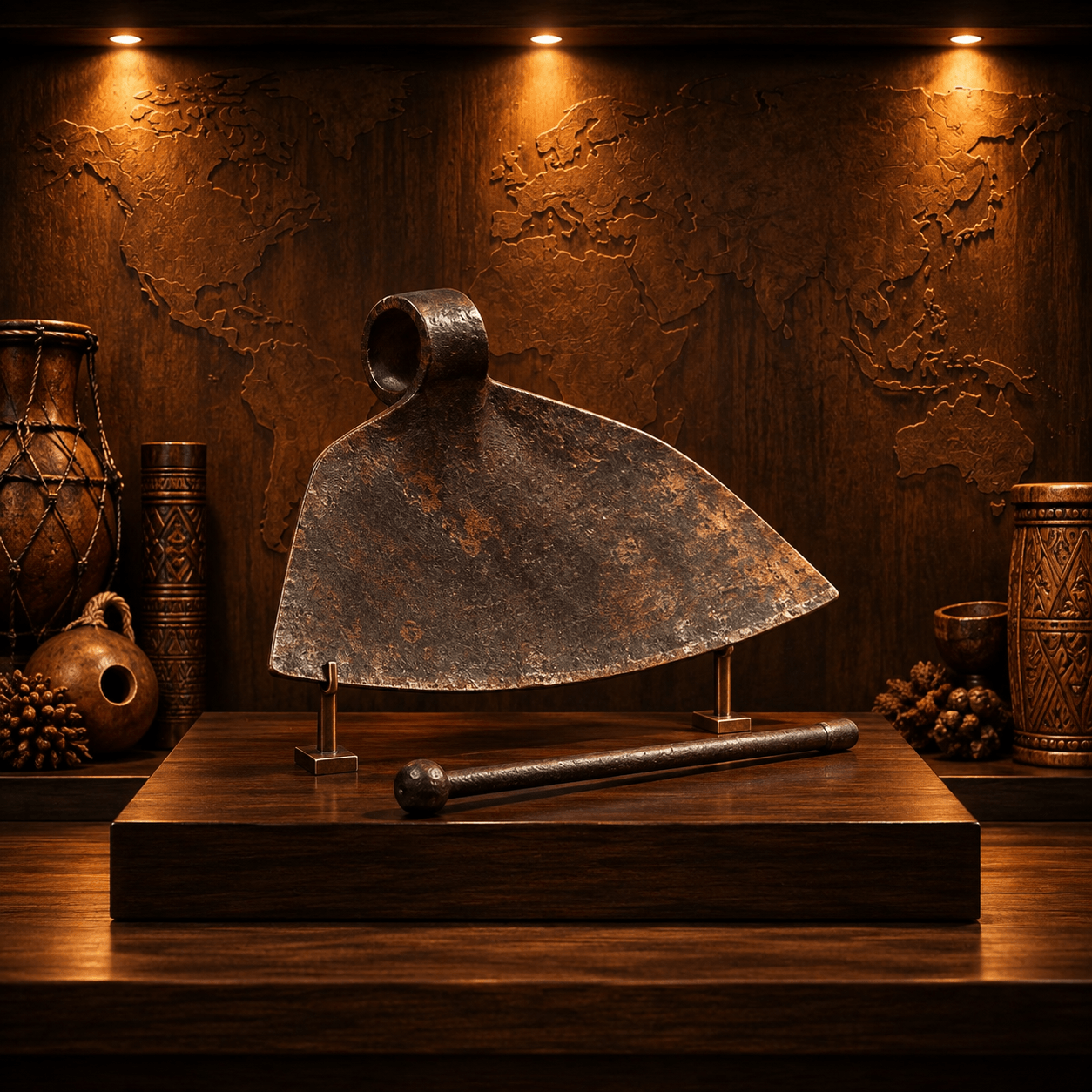
The agricultural context also helps explain Seú’s instruments. Horns and percussion made from farming implements connected the sound of the celebration with the materials and activities of everyday rural life.
Development Over Time
During the early twentieth century, the growth of the oil industry and a decline in agriculture changed the circumstances in which traditional Seú took place. The harvest procession gradually lost its earlier place within agricultural life.
The modern public parade began in 1976. This marked a new chapter in which the harvest tradition became a large cultural celebration involving children and adults in colourful folklore clothing.
Seú now includes a wider programme of activities, such as the Kantadó Mayó singing competition, headwrap presentations and community celebrations. These offer several ways to participate beyond the parade itself.
Evolution
From Agricultural Practice to Public Celebration
Earlier Seú accompanied the movement of crops from the fields. Contemporary Seú carries that agricultural memory into streets and public performance spaces.
Continuing Through Participation
The modern celebration gives younger participants opportunities to encounter the tradition through singing, music, clothing and movement. Its continuation depends on people taking part, as well as remembering its history.
Changing Song Themes
Seú’s repertoire also develops. NAAM’s teaching material notes that contemporary songs increasingly address subjects beyond the harvest, illustrating how the tradition can respond to changing community interests.
Cultural Heritage
Seú connects cultural expression with the land, shared labour and gratitude. Remembering the harvest also means remembering the difficult conditions under which earlier generations worked.
The celebration brings these memories into a communal setting. Its continued significance lies in the relationship between historical experience and present participation: people sing, move and gather around a tradition inherited from agricultural life.
Musical Characteristics
Rhythm and Movement
Seú’s music is closely connected with procession. Its rhythmic character can be explored through the relationship between instrumental patterns and the steps of the participants.
Layered Texture
Historical musical descriptions identify interlocking rhythmic activity in Seú. Listening to individual parts separately can help reveal how the overall movement emerges.
Singing and Repertoire
Song remains central to the tradition, from harvest-related material to contemporary compositions. When comparing examples, consider the lyrics and performance setting alongside the instrumental sound.
Instruments
Kachu / Cow Horn
The kachu contributes a strong horn sound. The horn player is recognised as an important participant in traditional Seú music.
Chapi
The chapi brings a sharp metallic percussion sound into the ensemble. Its connection with a farming implement makes it especially relevant to the harvest setting.
Drum and Other Instruments
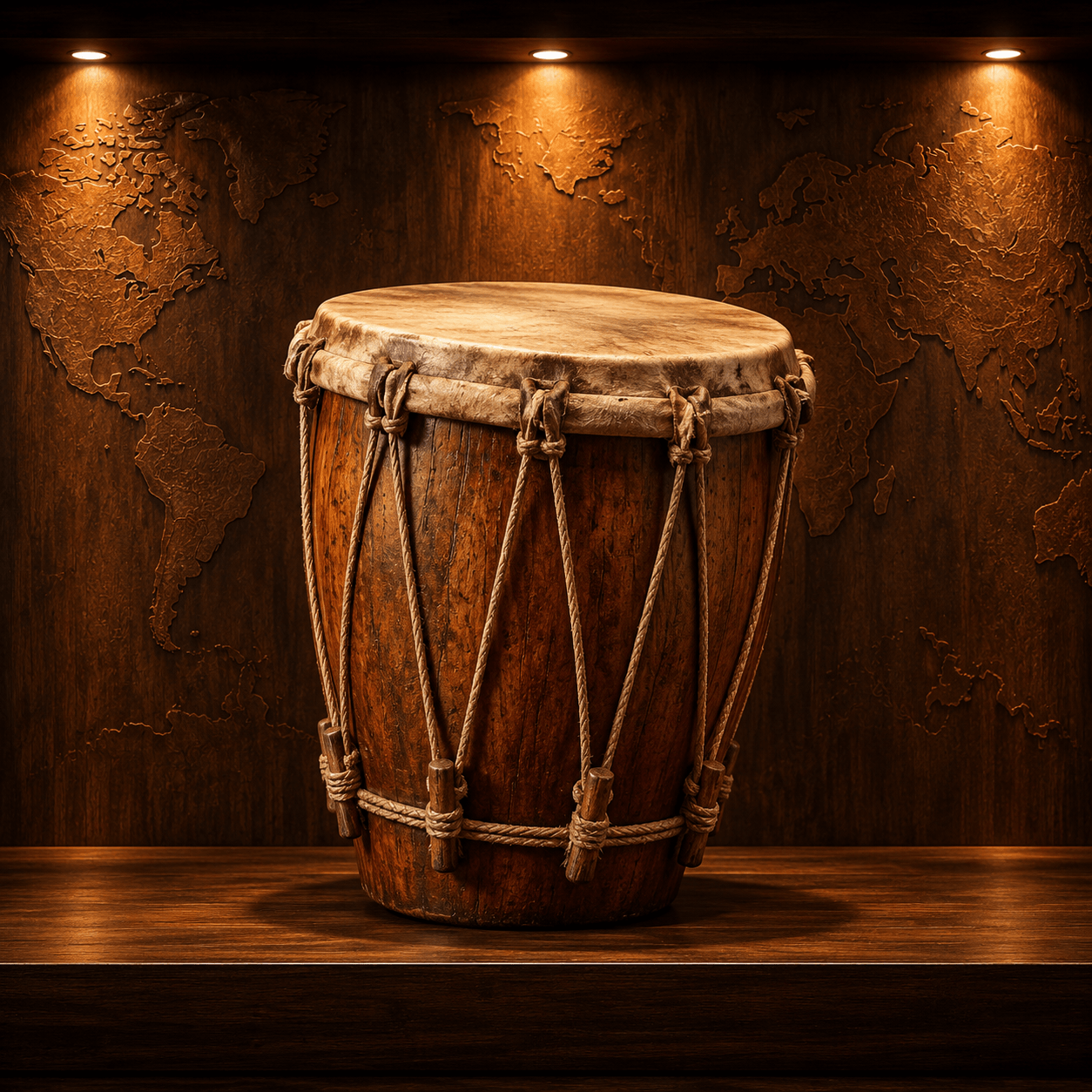
Descriptions of Seú also document drums, the benta mouth bow, the karkó shell horn and the wiri scraper. These accounts indicate a varied instrumental heritage rather than one ensemble that should be assumed for every performance.
A Historical Instrument Called Seú
A historical account also uses the name seú for a percussion instrument consisting of a hollow calabash floating on water. This is a distinct instrument reference within the documentation of harvest music.



Performance Practice
Seú can be experienced through both moving processions and gatherings centred on music, singing and dance. Accounts distinguish the parade from Seú Sinta, a gathering in which participants sing, play instruments and dance.
For a procession, study how the music works while people move together. In a stationary performance, observe how the instrumentalists and singers organise the piece and engage those around them.
Dance
The movement associated with Seú is known as wapa. Its graceful steps recall planting and harvesting, linking the body’s movement with agricultural activity.
Historical descriptions also explain wapa as a form of dancing while walking. This helps clarify its relationship with the harvest procession: movement accompanies the journey rather than being confined to a separate dance floor.
Experience the Rhythm
Listening Guide
Start by identifying the different sound colours: horn calls, metallic percussion, drums and voices. Then watch how these sounds relate to the movement of the group.
On a second listening:
- Follow one recurring percussion figure.
- Notice where horn calls enter and leave space.
- Identify repeated vocal phrases or refrains.
- Observe how dancers maintain coordinated movement.
- Compare a procession recording with a stage performance.
Treat each example as a particular performance, with its own musicians, arrangement and setting.
Notation and Musical Examples
Useful examples would show an individual percussion part, a horn phrase and a vocal passage from the same documented performance. Pairing these with video would help readers connect musical timing with wapa movement.
Related Region

Evidence & Sources
This article draws on NAAM educational materials, Curaçao Tourist Board descriptions, historical musical documentation and reporting on the modern Seú celebration. Together, they support an account that connects agricultural origins with continuing music, movement and community participation.
- NAAM — Kunuku i hòfi. Kuminda pa Kòrsou (Papiamentu lesson booklet; educational resources)
- NAAM — Kunuku i hòfi teaching manual (Papiamentu; educational resources)
- Curaçao Tourist Board — Seú Curaçao Harvest Festival
- Curaçao Chronicle — Harvest festival Seú popular in Curaçao
- Cultureel mozaïek van de Nederlandse Antillen (1977), Chapter VIII: Muziek en dans — DBNL