
Tambú rhythm
Tambú is one of Curaçao’s most significant Afro-Caribbean cultural traditions. The word refers to a drum, a musical genre, a dance and the gathering in which these expressions come together. Understanding Tambú therefore means listening to its music while also recognising the people, histories and relationships that give it meaning.
Developed within communities of enslaved Africans and their descendants, Tambú became a space for expressing hardship, communicating shared experiences and maintaining cultural connections. Its interlocking rhythms and call-and-response singing connect individual voices with collective participation.
Tambú also carries complex relationships between celebration, spirituality and cultural memory. Its significance changes across settings, from community gatherings to contemporary artistic performances, while remaining closely connected to Afro-Curaçaoan identity.
Origins & Historical Background
Tambú’s foundations lie in African musical and cultural knowledge carried to Curaçao through forced migration during the transatlantic slave trade. Under slavery, singing, percussion and movement provided ways to sustain community and give expression to experiences that colonial society sought to suppress.
Call-and-response singing and layered rhythms remained central to this expression. Participants could communicate through lyrics, shared references and musical interaction, making Tambú a social practice as well as a musical one.
Its history includes resistance to legal restrictions and religious condemnation. These pressures continued beyond emancipation, making the survival of Tambú part of a wider struggle over whose cultural expressions were accepted in public life. Nanette de Jong’s research examines this history alongside Tambú’s sacred and secular practices and its role in collective memory.
Development Over Time
Tambú continued within Afro-Curaçaoan communities despite periods of prohibition and social stigma. During the twentieth century, its public recognition increased, although the experiences of practitioners remained shaped by its earlier marginalisation.
Migration also carried the tradition beyond Curaçao. Museo di Tambú Shon Colá documents connections with Bonaire, Aruba, Cuba, Venezuela and the Netherlands, placing Tambú within a wider history of movement and cultural exchange.
Today, contemporary artists explore its possibilities through music, choreography and research. Vernon Chatlein’s Voices from Letters: Kiminá, developed with choreographer Remses Rafaela, is one example of an artistic work drawing on Tambú’s music and movement.
Evolution
Tambú’s evolution can be understood through changes in its setting and interpretation. Community practice, ritual, public entertainment and contemporary performance offer different ways of experiencing the tradition.
These settings do not carry identical meanings. Research shows that Tambú has been understood both through negative social stereotypes and as a powerful expression of cultural memory. Its history therefore includes changing attitudes towards the people who perform it, alongside changes in the music itself.
Cultural Heritage
Tambú preserves histories that extend beyond written records. Songs, instruments, movement and personal recollections offer ways to explore Afro-Curaçaoan experiences from within the communities that sustained them.
Museo di Tambú Shon Colá contributes to this work through its collection on Tambú’s instruments, rituals, repression and resistance. Its attention to Papiamentu and African cultural continuities also places the tradition within the broader story of Curaçao.
Musical Characteristics
Call-and-Response
A lead singer presents a phrase and a responding group answers. Listen for how repetition makes room for changing words, emphasis and expressive delivery.
Layered Rhythm
Drumming, iron percussion and handclapping create interacting rhythmic parts. The musical texture comes from their relationship rather than from every participant repeating the same figure.
Vocal Improvisation
Historical descriptions identify improvisation by the lead singer as an important feature. A performance may expand as the singer develops the material, allowing the vocal delivery to influence its duration and shape.
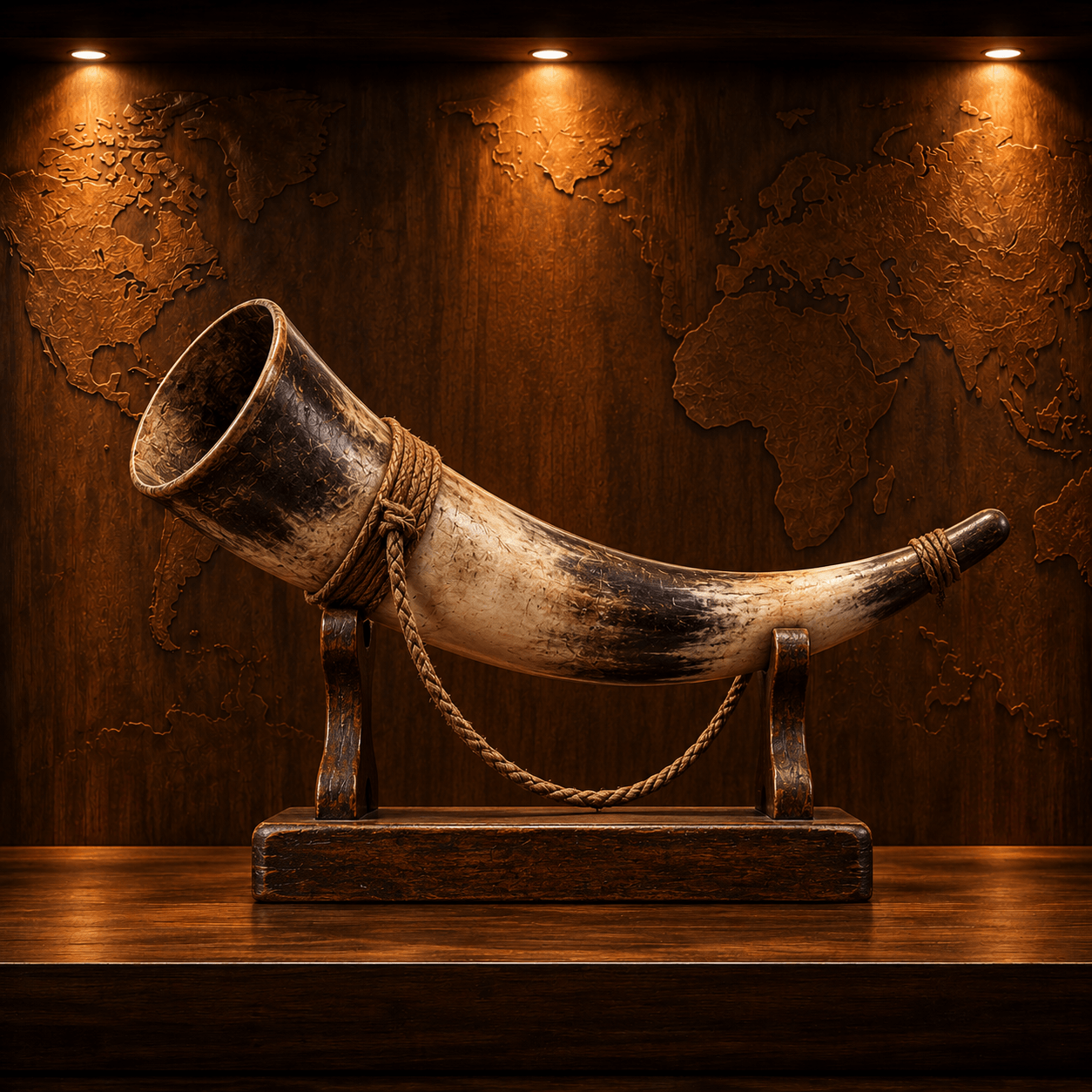
Instruments
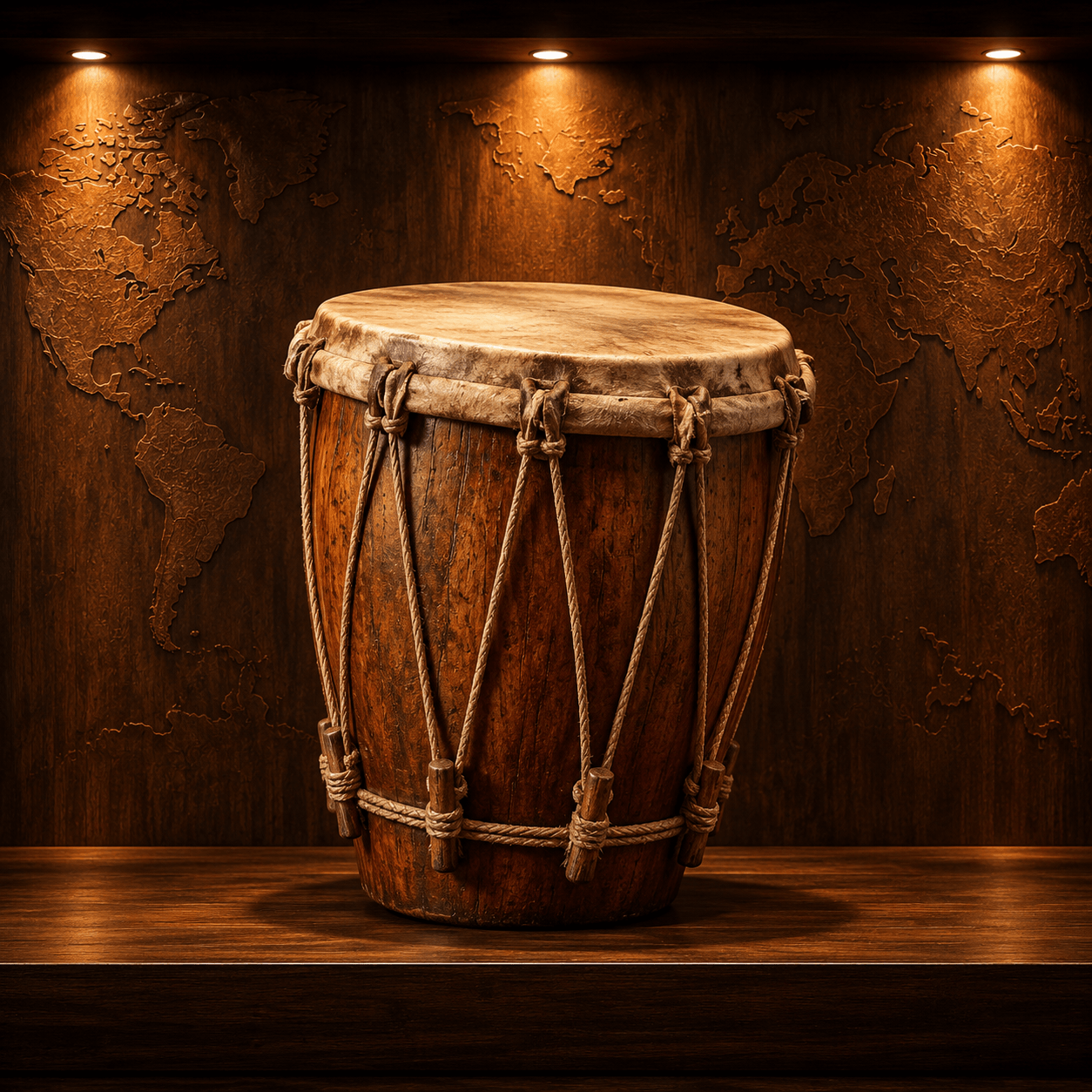
Barí / Tambú Drum
The drum is central to the tradition’s sound. Its contrasting tones provide a strong point of reference for studying the relationship between percussion, singing and movement.
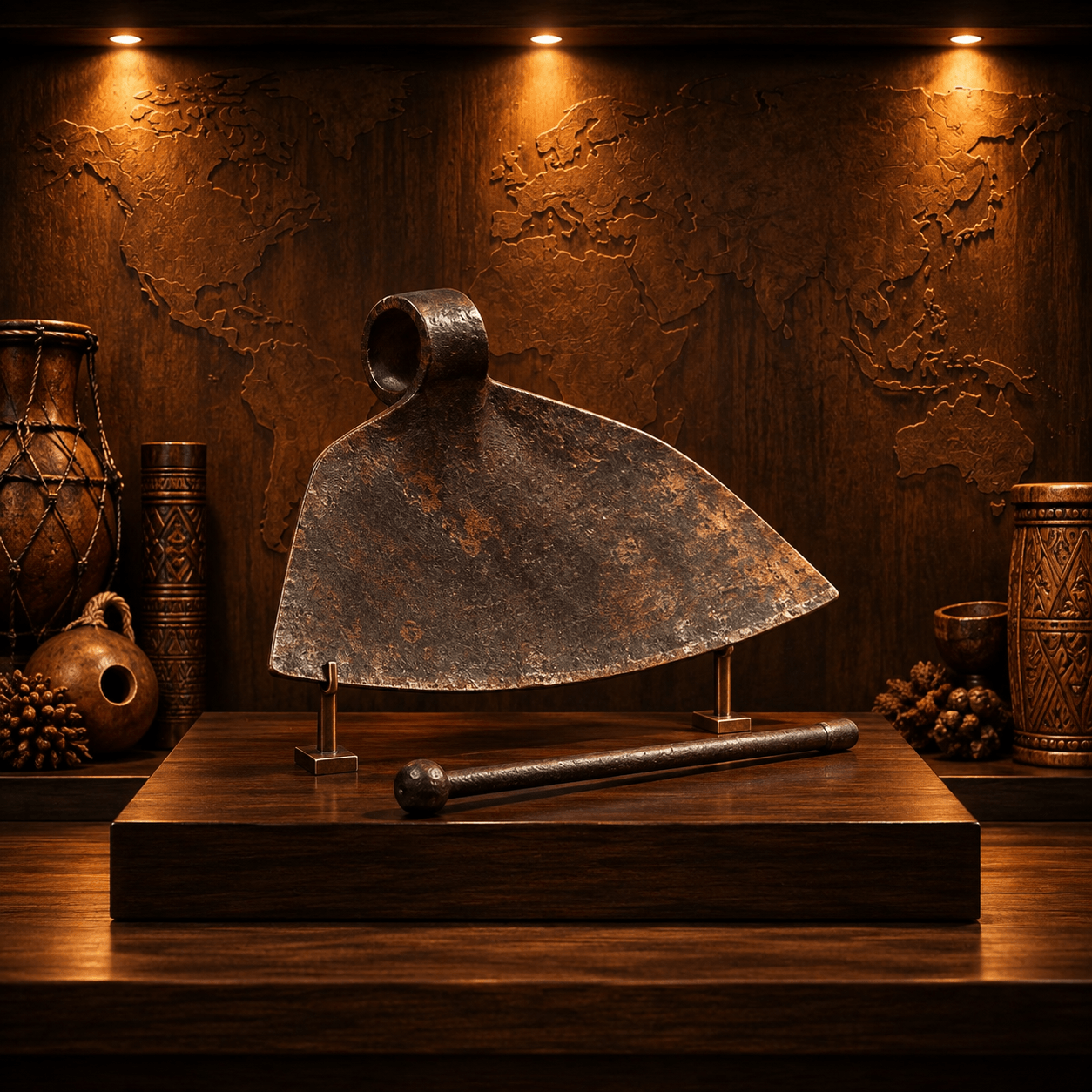
Chapi and Agán
Iron percussion provides a contrasting metallic sound. The chapi is associated with the blade of a hoe, while agán refers to another form of iron percussion.
Handclapping and Voice
Handclapping accompanies the instrumental parts, and lead and responding voices form an essential part of the musical texture. Curaçao’s musical heritage descriptions particularly recognise women’s contribution through clapping.



Performance Practice
Tambú brings together instrumentalists, singers, dancers and responding participants. Historical accounts describe a lead singer supported by a chorus, alongside the contrasting sounds of drum and chapi.
When studying a performance, follow the exchanges between these roles. Notice when the singer extends a phrase, when the chorus returns and how the percussion maintains or changes the energy around them.
Dance
Tambú dance uses expressive movement, including the independent movement of different parts of the body and prominent hip articulation. The physical response to rhythm is an important part of the tradition’s identity.
Watching a performance adds another dimension to listening: movement can reveal accents, responses and changes in intensity that may be less apparent through sound alone.
Experience the Rhythm
Listening Guide
Begin with the contrast between the drum’s resonant tones and the sharper sound of iron percussion. Then follow the lead singer and chorus.
Listen again with a different focus:
- Identify the phrase that the chorus repeats.
- Notice how the singer varies the delivery around that response.
- Follow the handclapping as a separate rhythmic layer.
- Compare moments of steady repetition with moments of increased intensity.
- When video is available, observe how dancers respond to the musical exchanges.
Notation and Musical Examples
A useful annotated example would place the drum, iron percussion, handclapping and vocal response alongside one another. Each transcription should identify its performer and recording so readers can connect the written patterns with a specific interpretation.
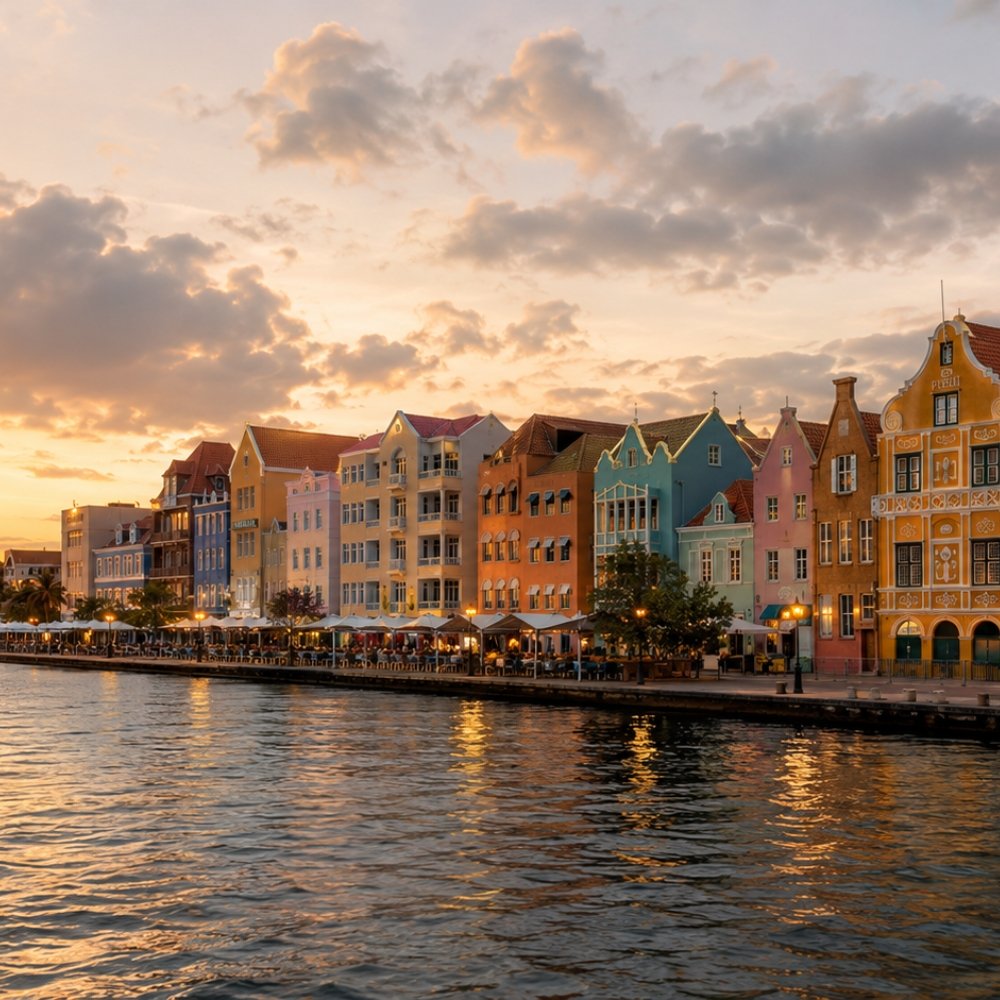
Related Region
Evidence & Sources
This article draws on Nanette de Jong’s research, Curaçao’s musical heritage descriptions, historical music documentation, museum information and contemporary practitioner material. These sources support an approach to Tambú that includes musical practice, cultural memory and community experience.
- Nanette de Jong — Tambú: Curaçao’s African-Caribbean Ritual and the Politics of Memory (Indiana University Press, 2012)
- Curaçao Tourist Board — Musical Heritage
- Cultureel mozaïek van de Nederlandse Antillen (1977), Chapter VIII: Muziek en dans — DBNL
- Association of Museums & Heritage of Curaçao — Museo di Tambú Shon Colá
- Vernon Chatlein — Voices from Letters: Kiminá