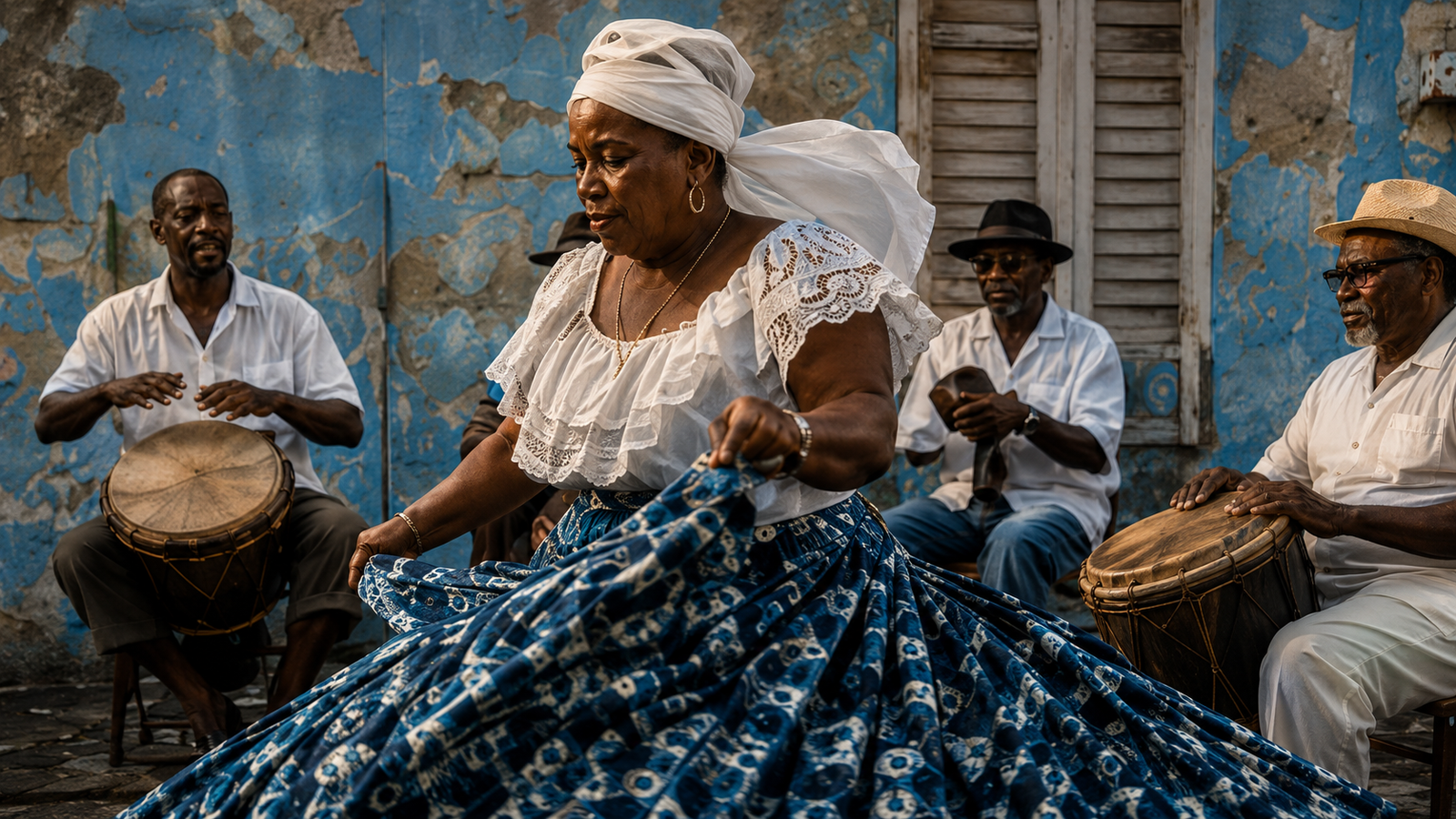
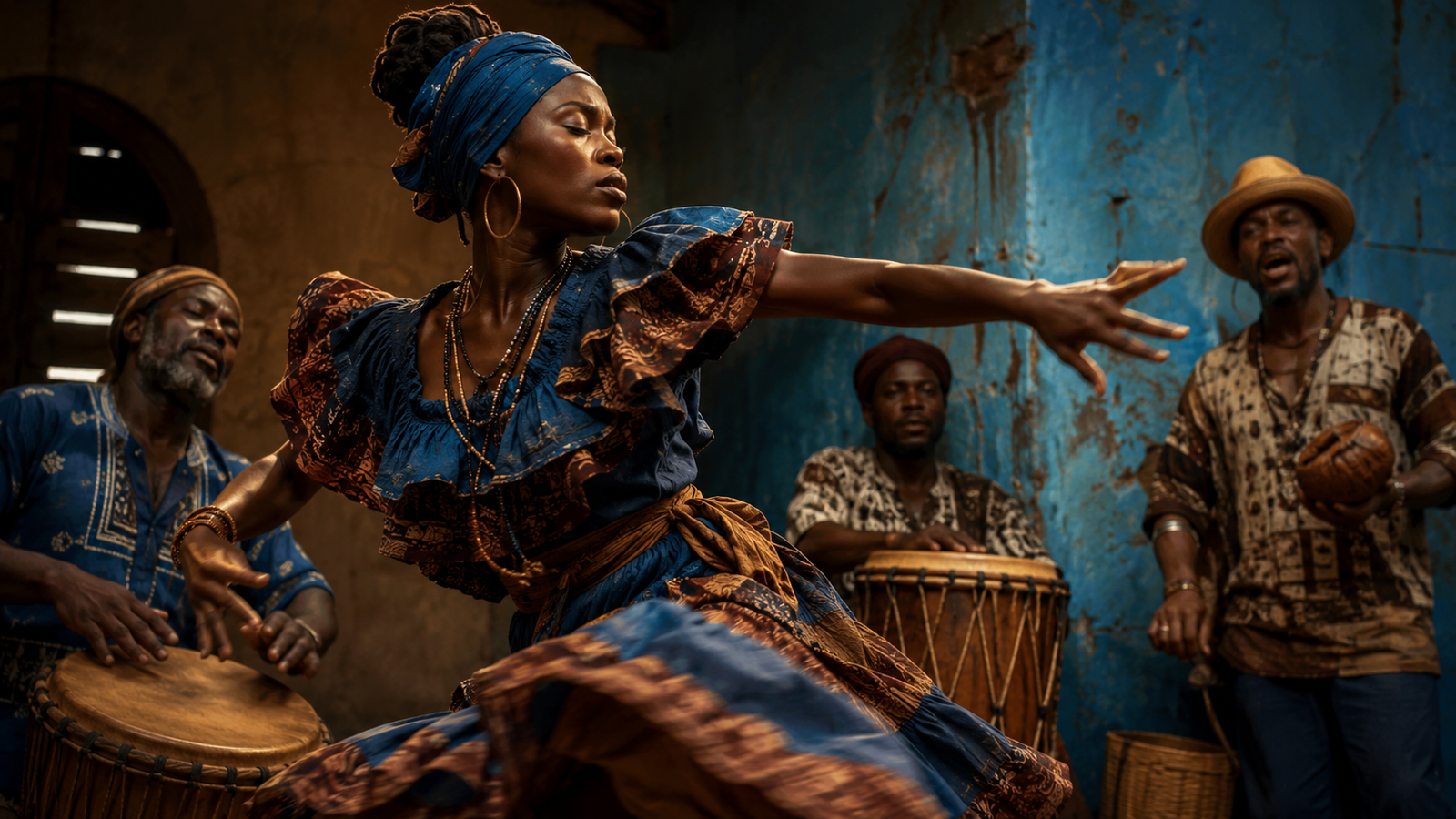
The musical traditions of Curaçao are rooted in its colonial history and the transatlantic slave trade. During the 17th century, enslaved Africans were brought to the island, bringing with them musical structures, rhythmic patterns, and spiritual practices that became foundational to Curaçaoan music.
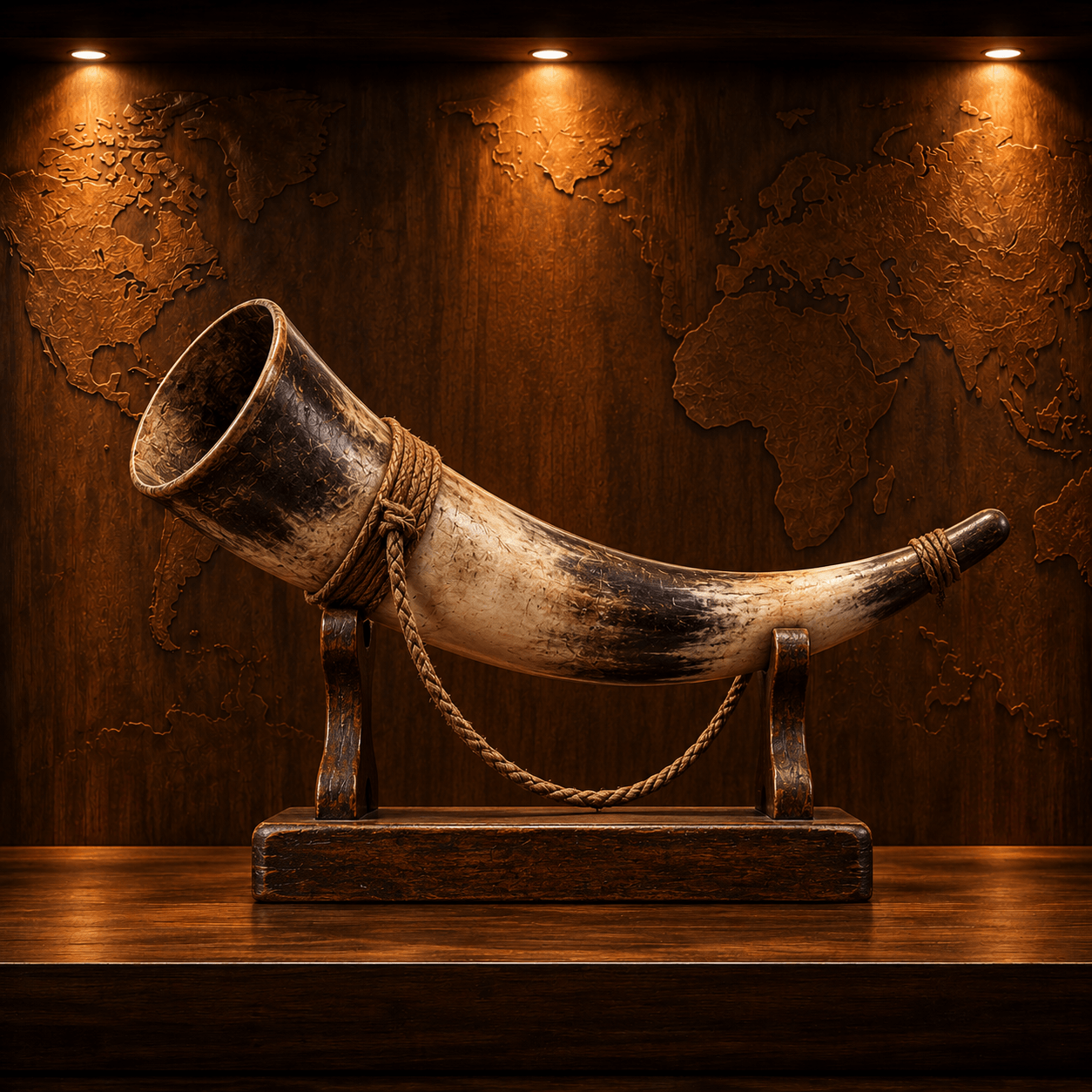
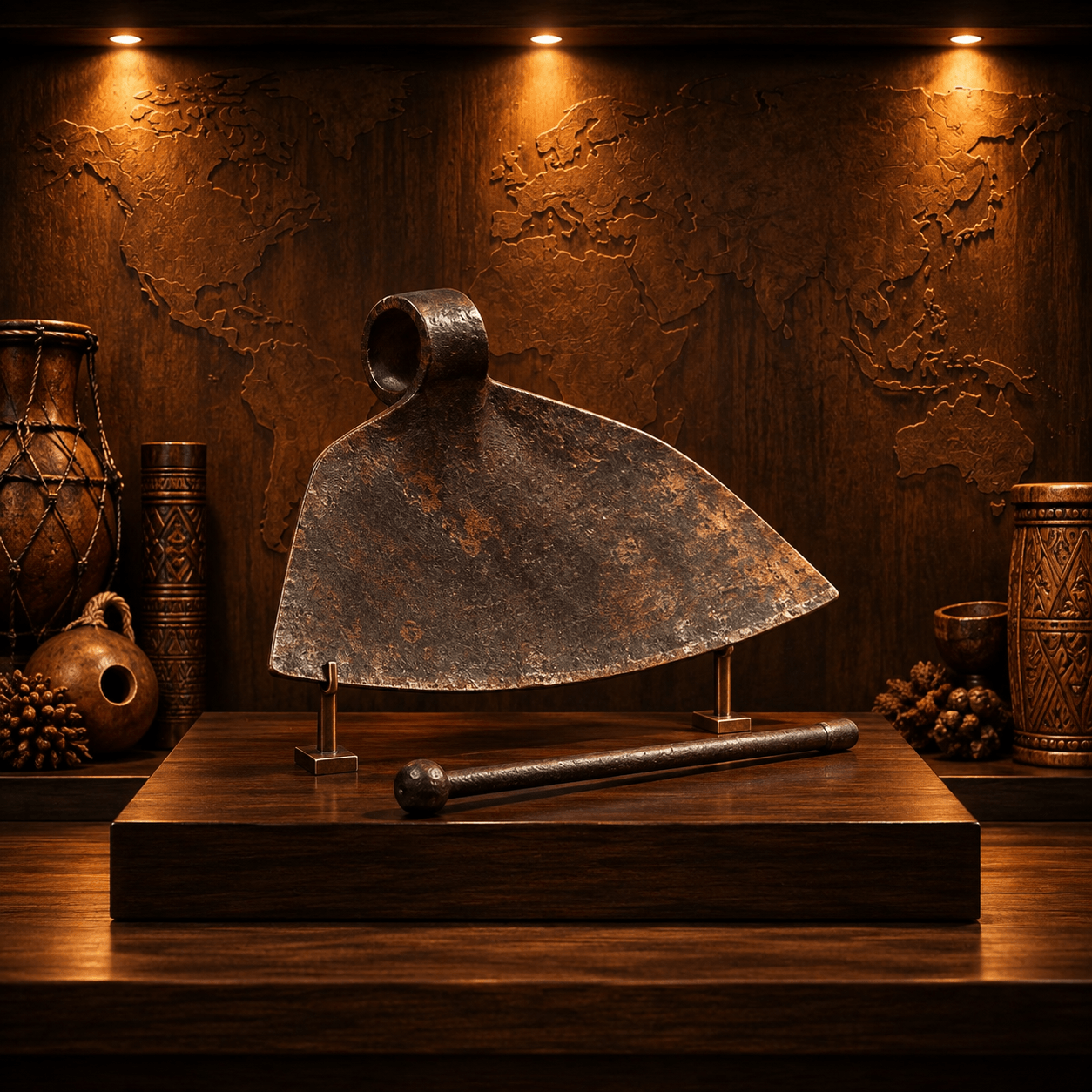
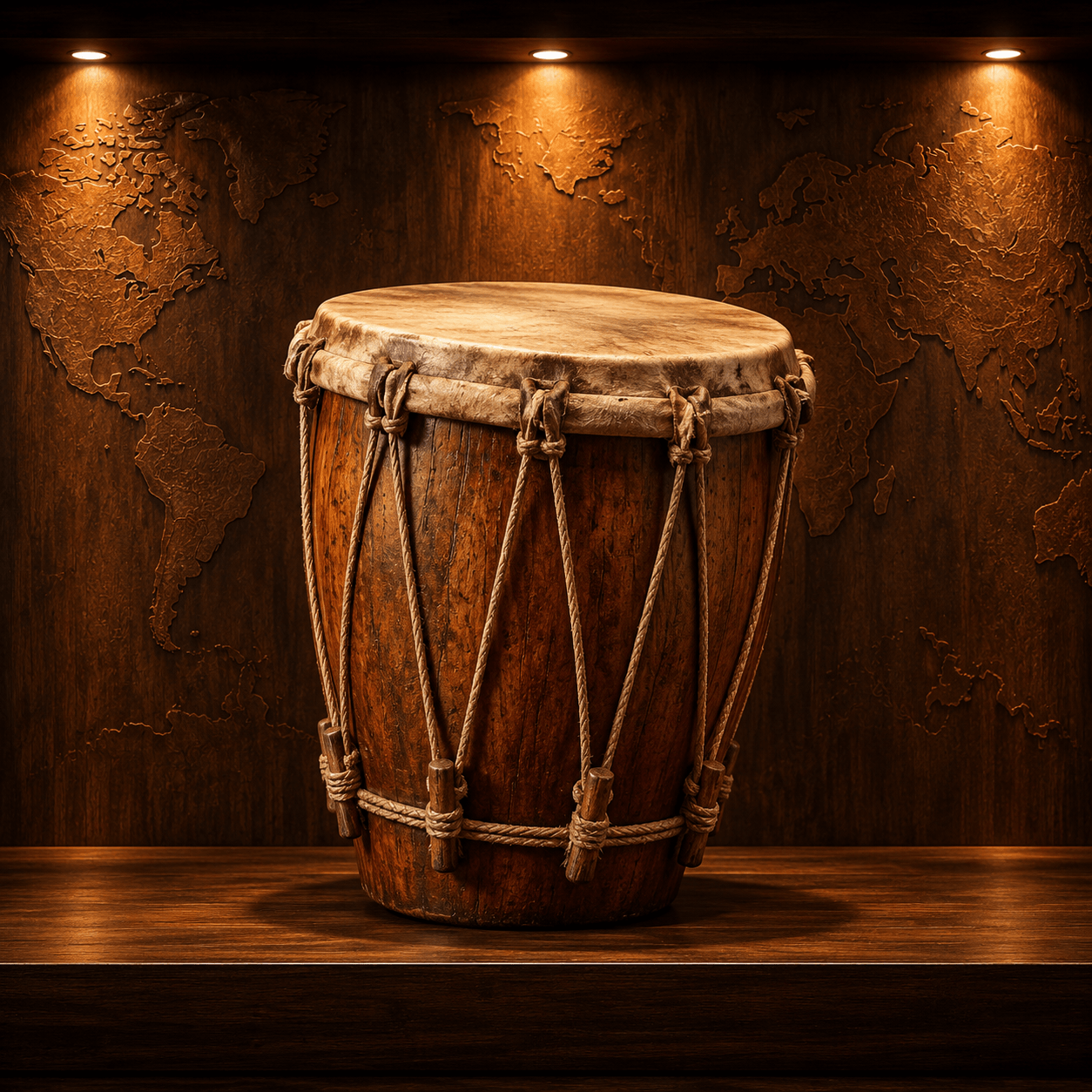
Because enslaved populations were often restricted from using traditional instruments like drums, they adapted by using everyday objects such as hoes (chapi), iron tools (agan), and water-filled barrels to produce rhythm.
Music served multiple purposes:
-
Emotional expression (especially in tambú)
-
Coordination of labor (work songs)
-
Cultural preservation and resistance
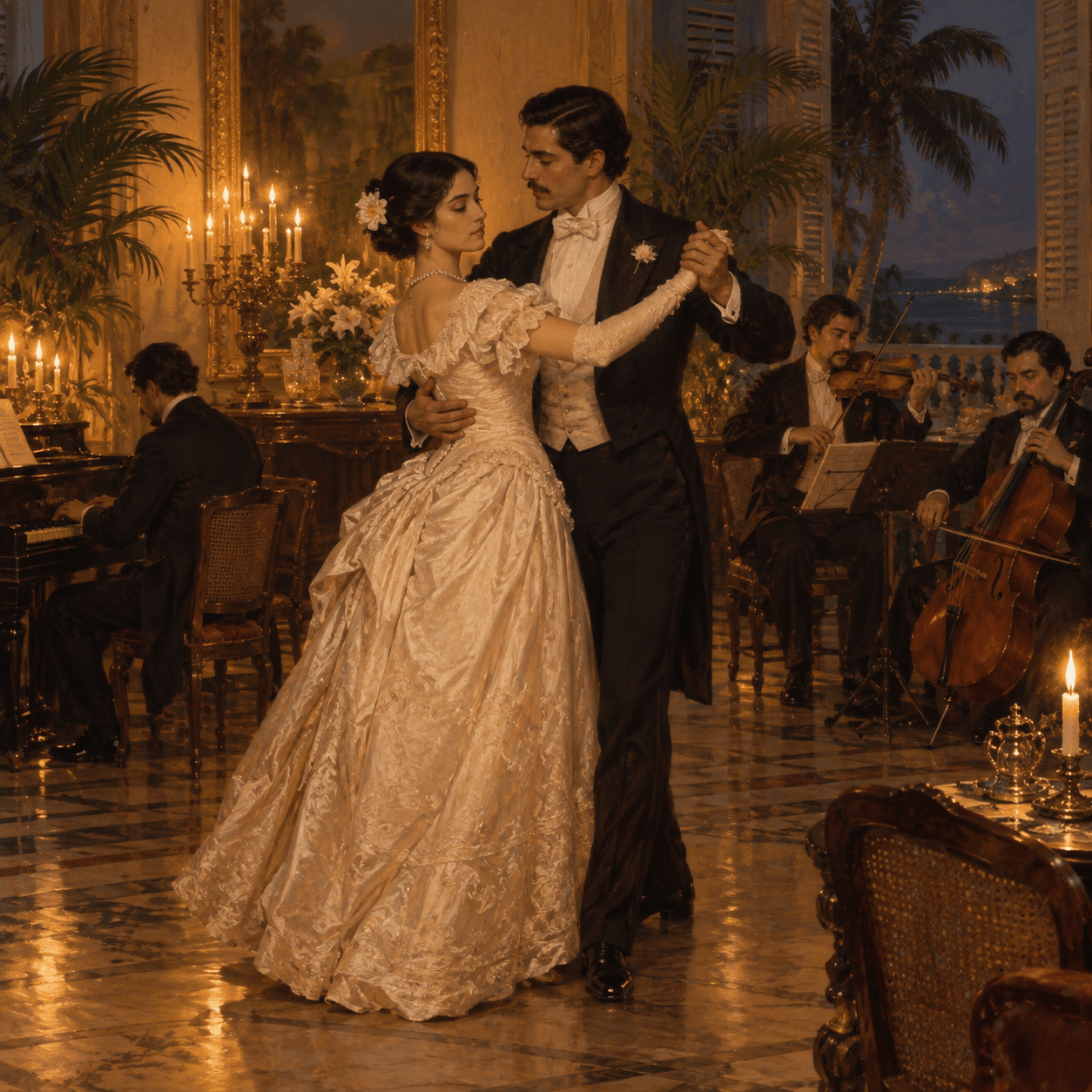
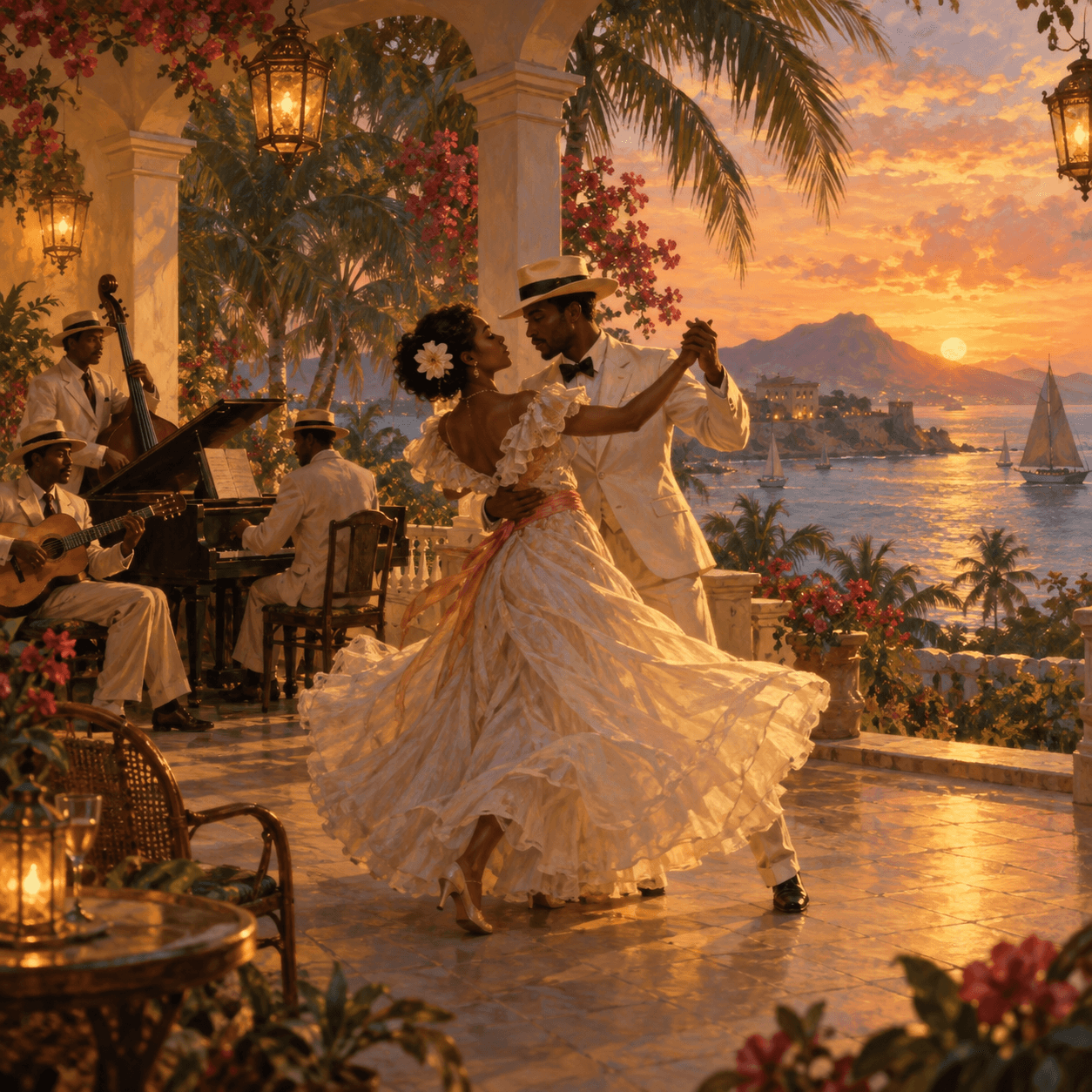
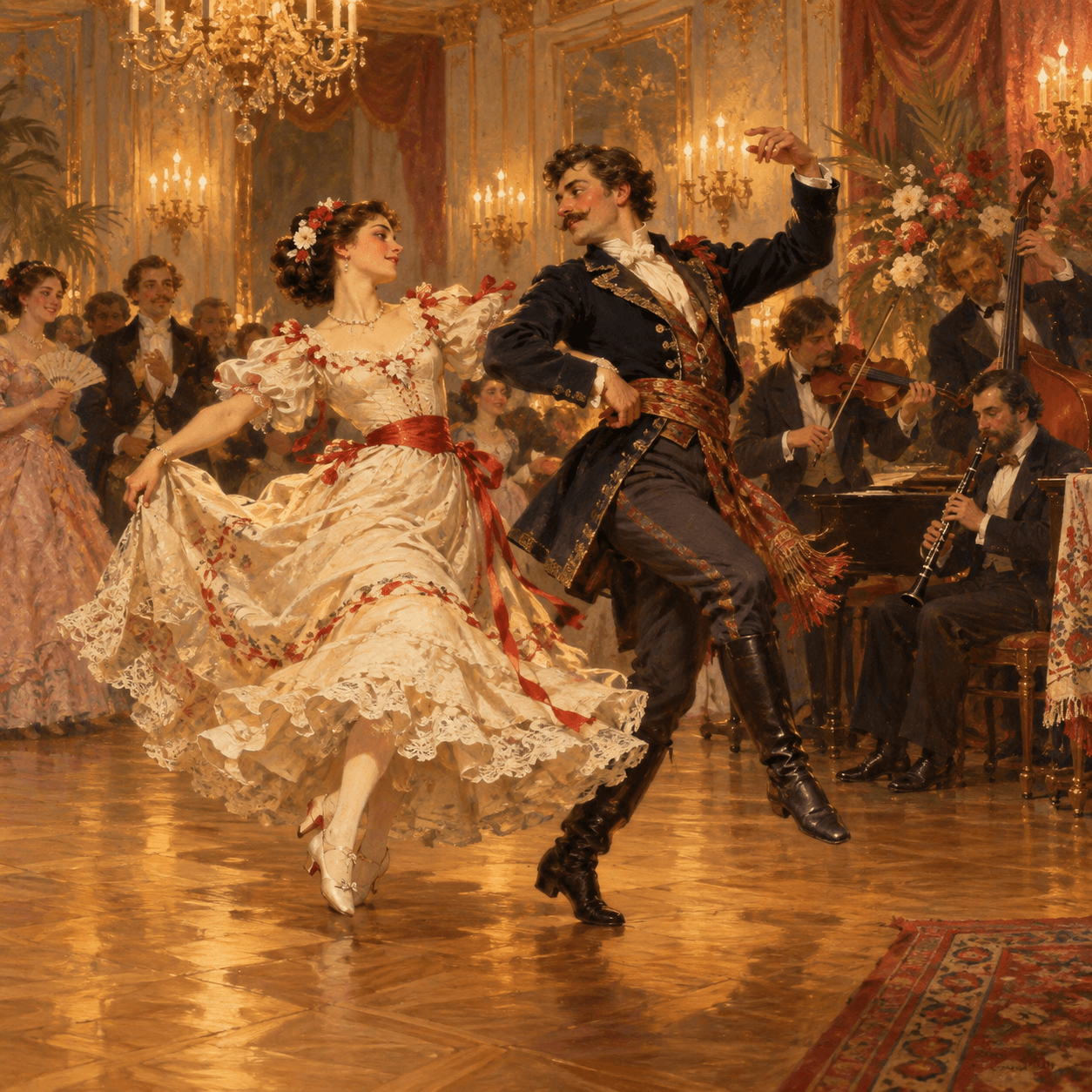
Over time, African musical traditions merged with European dance forms such as waltz, mazurka, and danza, as well as Latin Caribbean influences.
By the 19th and 20th centuries, Curaçao had developed a distinct musical identity, with genres like tumba becoming central to national celebrations such as Carnival.
Key Rhythmic Identity of Curaçao
Tambú
-
Oldest and most culturally significant rhythm
-
Originated among enslaved Africans
-
Used for emotional expression and communication
-
Characterized by:
-
Often referred to as the “Curaçao Blues”
Seú
-
Agricultural harvest rhythm and dance
-
Mimics planting and harvesting movements
-
Now performed mainly during annual Easter parades
-
Represents communal labor and celebration
Tumba
-
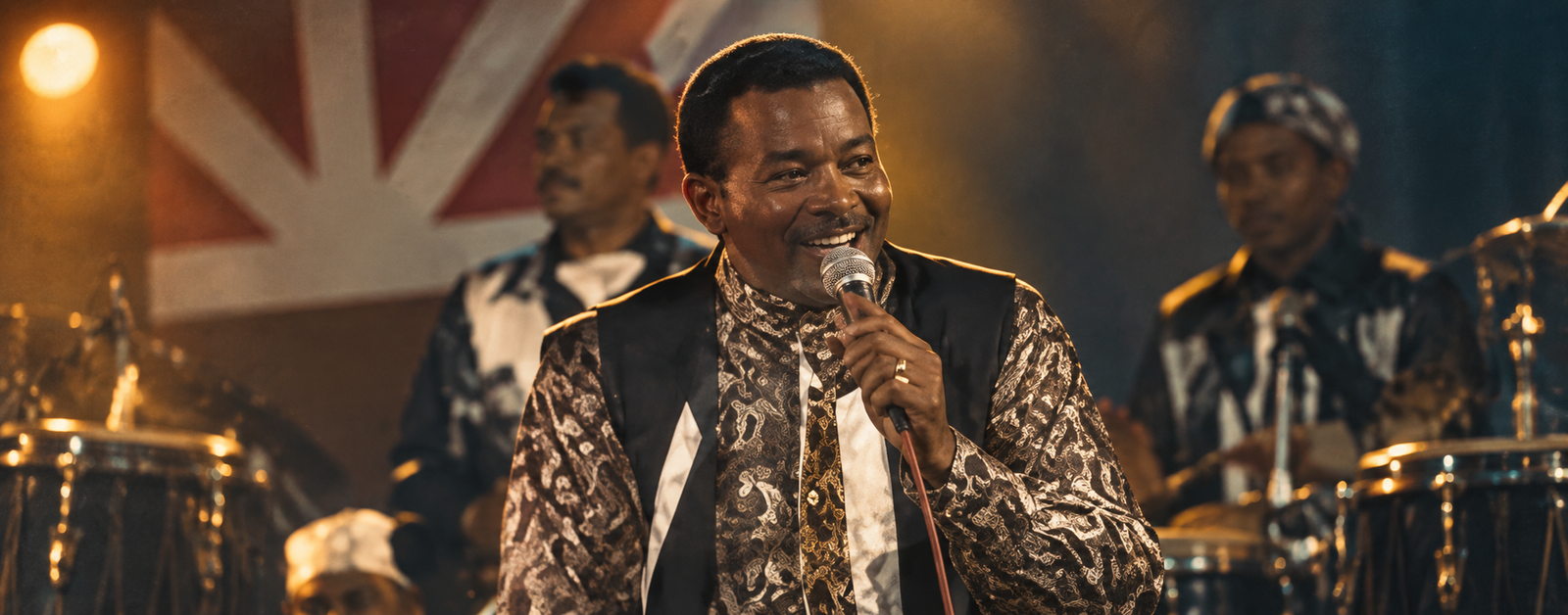
Most popular and modernized traditional genre
-
African origin with Caribbean and Latin influences
-
Central to Carnival celebrations
-
Official music of the Carnival Road March since 1971
Labor Songs
-
Functional music used during work (digging, rowing, etc.)
-
Often sung in early Creole or Afro-Portuguese dialects
-
Helped synchronize group labor and preserve oral tradition