
Antillean Waltz rhythm
Antillean Waltz belongs to the wider history of the waltz’s movement from Europe into Caribbean musical life. Its three-beat foundation connects it with that international tradition, while regional composers and performers developed distinctive ways of shaping its movement.
The name is particularly associated with the Dutch Caribbean repertoire. Related Caribbean waltz traditions include the valse créole of the French Antilles. These traditions offer valuable comparisons, although their names and musical practices are not interchangeable.
Origins & Historical Background
The waltz developed in Central European dance culture and became internationally prominent during the nineteenth century. Vienna was an important centre, where Joseph Lanner and the Strauss family expanded its repertoire and orchestral possibilities.
As the waltz circulated, musicians elsewhere adapted it to their own performance settings. In the Antilles, it became part of a musical environment that also included Danza, Mazurka, Polka and other social dances.
Its European ancestry provides the historical starting point. Its Antillean identity developed through regional composition and interpretation. [1] [2]
Development Over Time
Antillean waltz traditions developed through social dancing, instrumental ensembles and piano repertoire.
Historical accounts describe a close relationship between changes in the music and changes in the way people danced. They also document musical exchange between the southern Caribbean, Venezuela and Colombia.
Mid-twentieth-century recordings provide further evidence of regional variety. Smithsonian Folkways’ Caribbean Dances includes both a Guadeloupean vals and a waltz performed by Padu del Caribe and the Netherlands Antilles Orchestra. [2] [3]
Evolution
Regional Musical Character
Antillean composers and performers developed their own approaches to melody, accompaniment and phrasing within the waltz framework.
Dance and Concert Settings
Music written for dancing could also become repertoire for attentive listening. Piano and ensemble interpretations offered different ways to present its melodies.
Connections Across the Caribbean
Comparing Dutch Caribbean waltzes with French Antillean examples reveals related histories of adaptation. Each repertoire should retain its regional identification.
Cultural Heritage
Antillean Waltz preserves the musical history of social gatherings and regional composition.
Its significance lies partly in how communities made a widely circulating dance their own. Scores, recordings and accounts of dancing document the relationship between musical invention and social experience.
Musical Characteristics
Three-Beat Foundation
The waltz is generally written in 3/4. Its recurring three-beat cycle supports both musical phrasing and turning movement.
Melody and Accompaniment
Listen for how a melodic line moves above the accompaniment. The relationship between them shapes the music’s balance and forward motion.
Regional Phrasing
Accent, articulation and the placement of notes contribute to the character of individual performances. A shared time signature does not mean every regional waltz has the same feel.
Instruments
Antillean waltzes appear in piano and ensemble settings. The instrumentation depends on the composition and the musicians performing it.
Solo piano allows one performer to shape melody, bass and harmony. Ensemble interpretations distribute these roles, creating additional contrasts in musical colour.
Performance Practice
Performance brings together a clear underlying pulse and expressive melodic phrasing.
For dancing, continuity helps partners coordinate their movement. In a concert setting, performers may explore finer changes in timing, dynamics and tonal balance. These choices should remain connected to the character of the composition.
Dance
Waltz is associated with partnered movement and turning patterns. In Antillean settings, historical descriptions also document locally developed ways of responding to its changing rhythms and melodies.
A dance demonstration should identify its region and style so that readers can connect movement with the appropriate musical tradition.
Experience the Rhythm
Listening Guide
Start by counting the three-beat cycle.
Then:
- Identify the bass and accompanying chords.
- Follow the melody across several measures.
- Notice accents that give a phrase its individual character.
- Compare a piano recording with an ensemble version.
- Compare Antillean examples with a Viennese waltz.
Listen for differences in phrasing as well as similarities in meter.
Notation and Musical Examples
A useful example would place the melody above its bass and chordal accompaniment, with the three beats clearly marked.
Comparative examples should identify the composer, region, date and recording. This would allow readers to explore regional interpretation without assuming that one pattern represents the entire repertoire.
Related Rhythm
Explore European Waltz, French Antillean Valse Créole, Mazurka and Danza. Latin American vals and Pasillo provide further comparisons within the wider history of waltz adaptation.
Historical roots: Central Europe, particularly the Viennese waltz tradition.
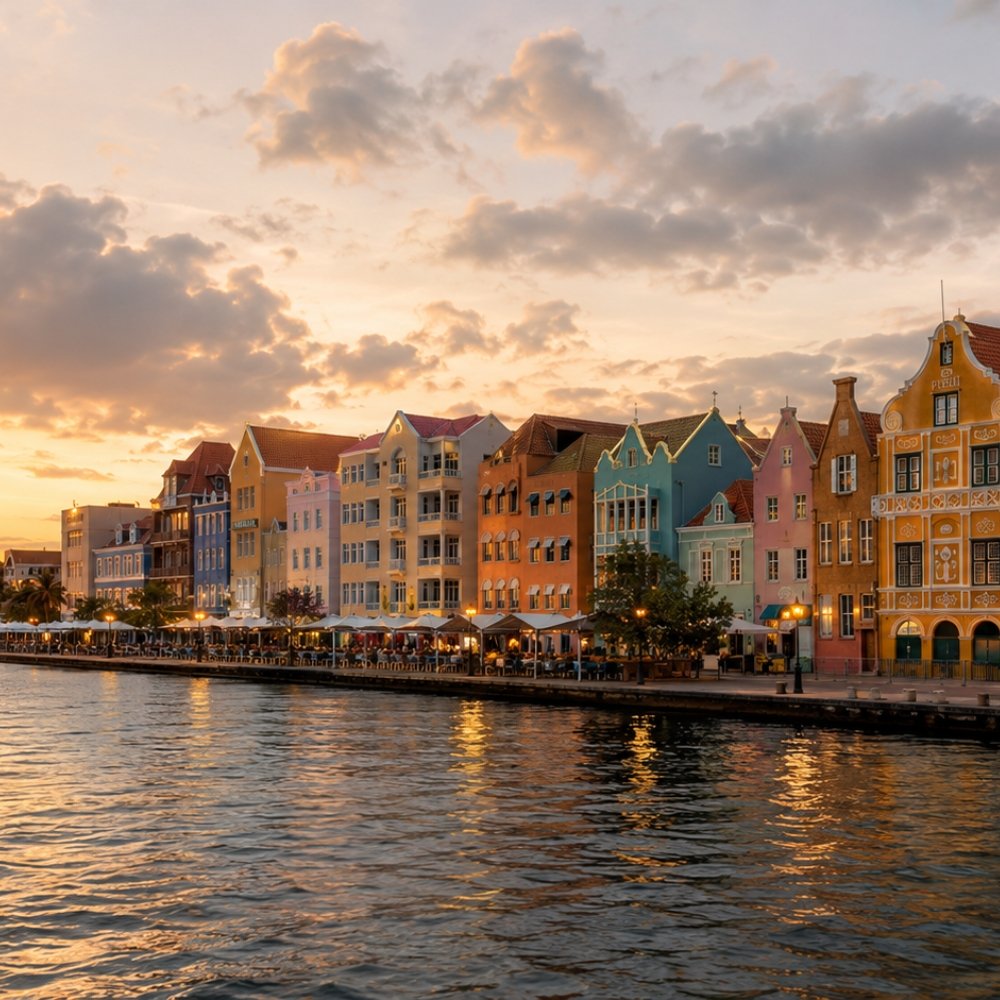
Regional development and connections: the Dutch Caribbean, including Aruba, Bonaire and Curaçao; related waltz traditions in Martinique and Guadeloupe; and musical exchange with Venezuela and Colombia.
Related Region
Evidence & Sources
This article draws on archival documentation of European waltz composition, historical Antillean music accounts and regional recordings.