Skip to content

Gankogui Bell

The gankogui is a clapperless double iron bell associated especially with Ewe musical traditions of Ghana and Togo, and also used in other southern Ghanaian ensemble contexts. Two bells of unequal size are joined into one instrument, giving the player a higher and a lower pitch. Its clear metallic sound often carries a recurring timeline pattern that serves as a common temporal reference for drummers, singers, dancers, and other performers.

Instrument Classification

Instrument Family:

idiophone

Instrument Type:

Double clapperless iron bell

Playing Technique:

struck

Sound Production:

The metal bodies of the two bells vibrate directly when struck; their different sizes produce contrasting relative pitches.

Hornbostel–Sachs Classification:

111.242.221 — set of suspended bells struck from the outside.

Primary Material

Forged or welded iron/steel bell bodies with an iron handle; wooden beater.

Origins & Historical Background

Construction

Two conical or flanged sheet-iron bells of different sizes are joined at their apexes to a shared metal handle. Each bell is formed to create an open resonating vessel. The larger bell produces the lower tone and the smaller bell the higher. The instrument has no internal clappers; instead, a separate wooden stick strikes the rims or sides. The welded or forged construction must be strong enough to withstand repeated impact while allowing the bell walls to vibrate freely.

Playing technique

The player holds the handle in one hand and strikes the two bells with a beater held in the other. Alternating high and low tones creates a recognizable cyclical pattern. In many Ewe ensembles this pattern is repeated with exceptional consistency, functioning as a timeline to which other rhythmic parts are related. Skilled players maintain steady orientation while controlling tone, rebound, and sometimes damping against the body.

Cultural Significance

The gankogui demonstrates how a seemingly simple bell can carry structural responsibility for an entire performance. Its timeline helps coordinate music and dance as parts of one shared rhythmic system. For EncycloRhythm, the instrument is especially valuable for comparative study of African timeline principles and their resonances across Afro-diasporic music, but that comparative importance should not be mistaken for proof that the gankogui itself is directly used in every Caribbean rhythm.

Related Rhythms

Related Region

Region - Curacao
Curacao
Region
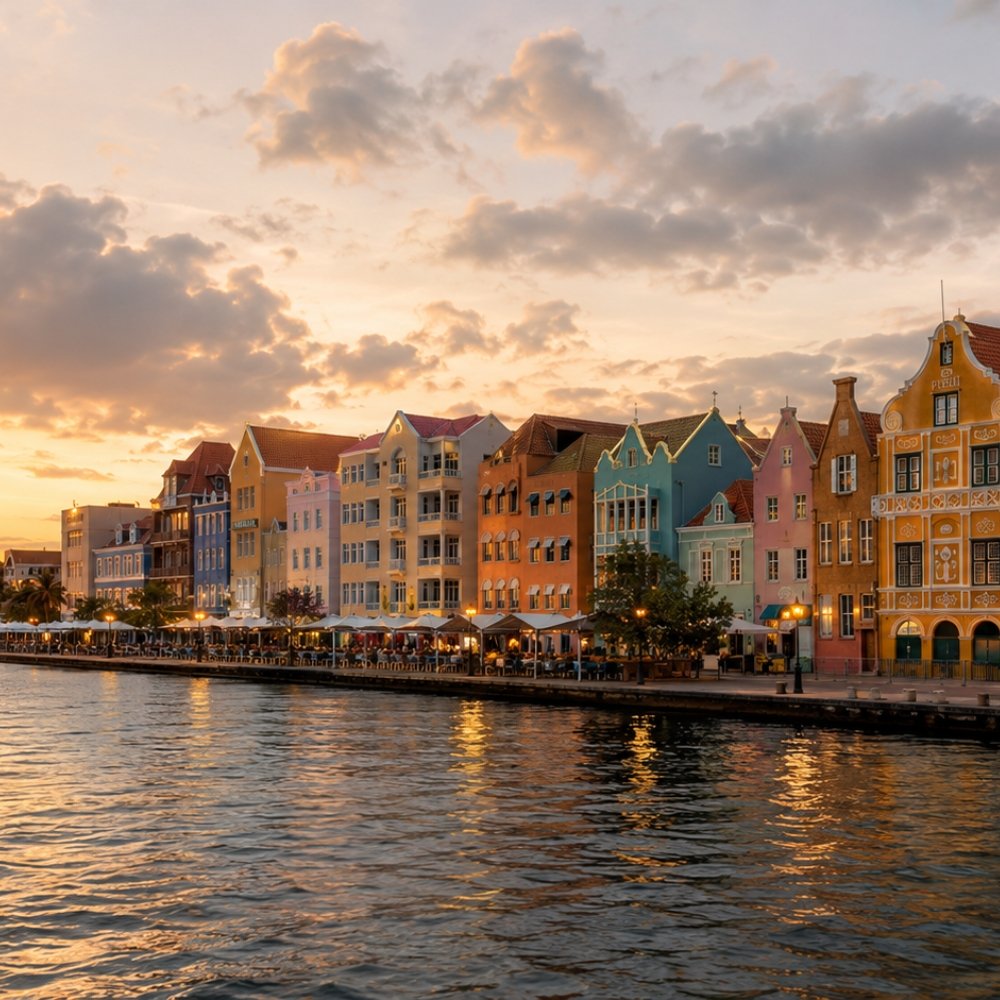
The island is characterized by a culturally diverse population shaped by African, European, and Latin American influences. This multicultural background has significantly influenced Curaçao’s musical identity.