Chapi
The chapi is a Curaçaoan metallic percussion instrument made from the blade of a hoe or a similar agricultural implement. Struck with an iron or steel rod, it produces a bright, cutting tone that can remain audible against drums, singing, and dancing. The chapi is a powerful example of an everyday work tool transformed into a musical instrument through Afro-Curaçaoan creativity and performance practice.
Instrument Classification
Instrument Family:
Instrument Type:
Playing Technique:
Sound Production:
Hornbostel–Sachs Classification:
Primary Material
Origins & Historical Background
Construction
The sounding body is typically the broad metal blade of a hoe, detached from or used without emphasis on its wooden handle. Because it began as a work implement rather than a standardized factory instrument, thickness, curvature, size, and metal composition vary. A separate iron or steel rod acts as the striker. The blade must be held or suspended in a way that permits it to vibrate rather than being fully damped.
Playing technique
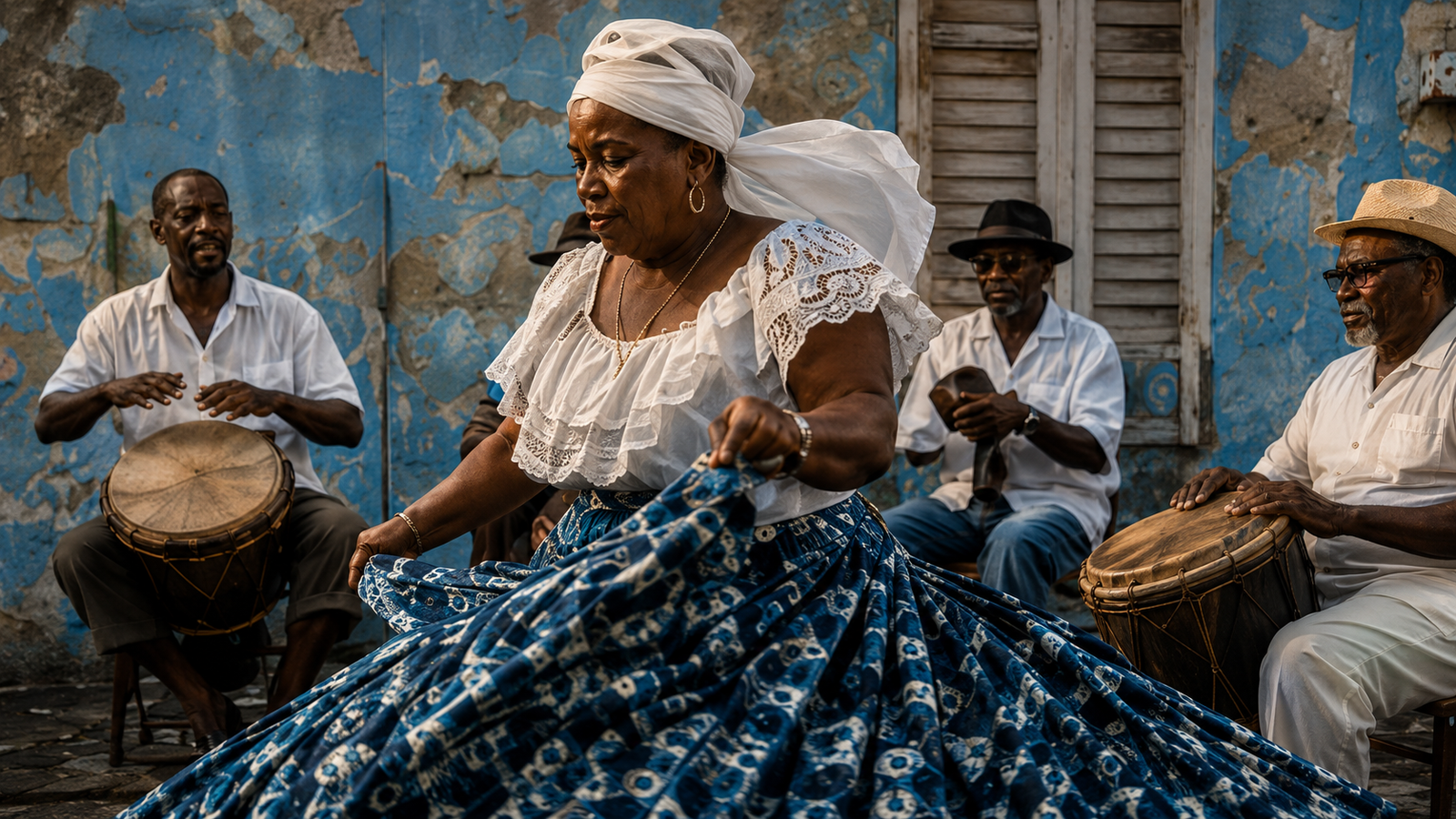
The performer strikes selected areas of the blade with a metal rod. Different contact points can change brightness, resonance, and apparent pitch. Repeating patterns provide a strong metallic time layer that interacts with the tambú drum, clapping, voice, and dance. The player’s control of spacing and accent is important because the chapi’s high frequencies can easily dominate if played without sensitivity to the ensemble.
Cultural Significance
The chapi embodies the transformation of labor material into cultural expression. Its agricultural origin links the sound of Curaçaoan music to histories of land, plantation work, survival, and community ingenuity. It is documented in tambú and harvest-related contexts and remains a recognizable marker of Curaçaoan traditional sound. As such, it is not simply an improvised substitute for a “formal” instrument; it is a culturally meaningful instrument in its own right.