Barí / Tambú Drum
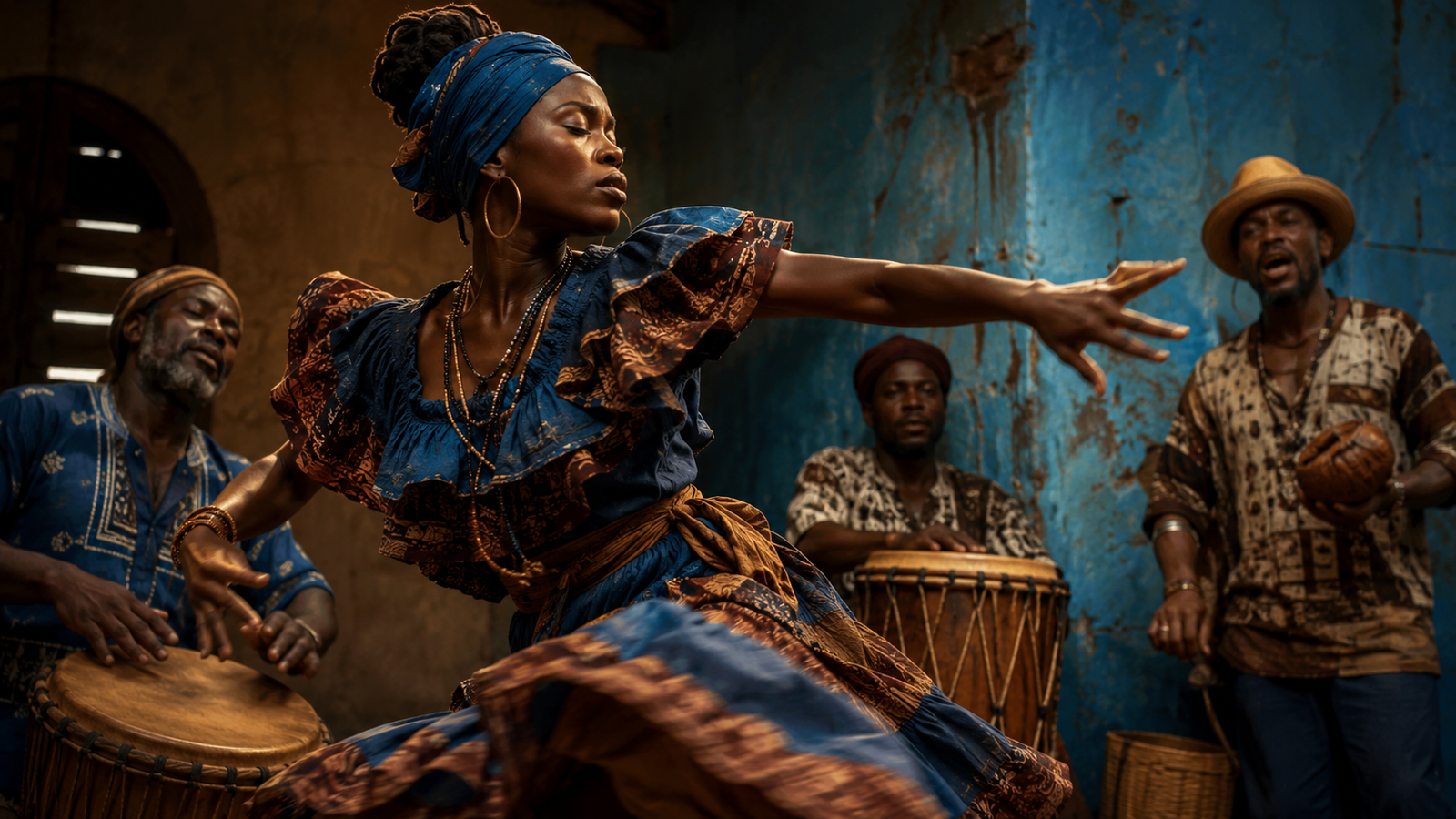
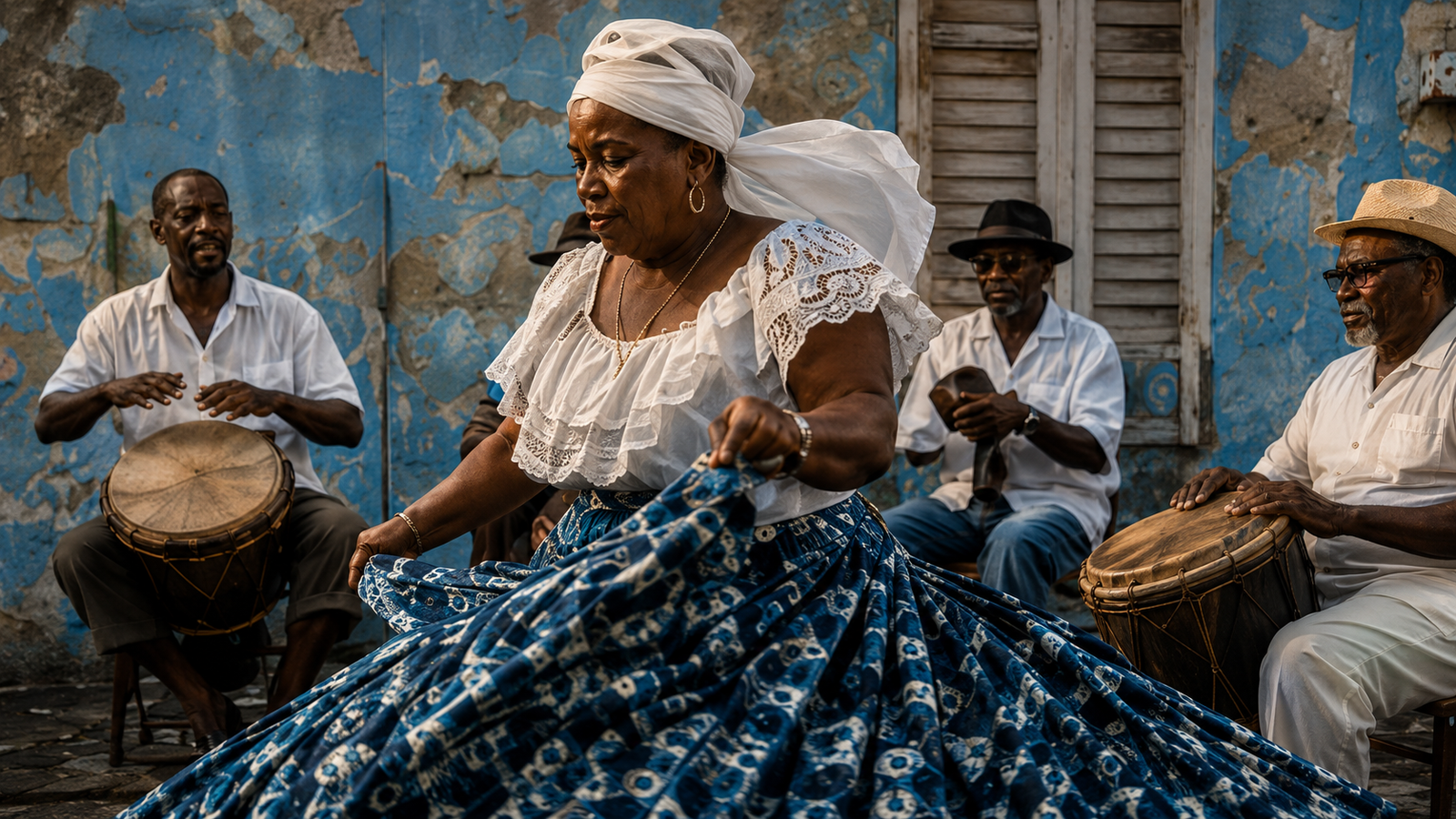
The barí, also called the tambú drum in Curaçaoan contexts, is a single-headed hand drum at the center of the Afro-Curaçaoan tambú tradition. Its low, resonant pulse and sharper hand-struck accents do more than keep time: they shape the interaction between singer, dancers, handclapping, and metallic percussion. The word tambú can refer to the drum as well as the broader music-and-dance tradition, so this entry uses “barí / tambú drum” when referring specifically to the instrument.
Instrument Classification
Instrument Family:
Instrument Type:
Playing Technique:
Sound Production:
Hornbostel–Sachs Classification:
Primary Material
Origins & Historical Background
Construction
A traditional barí consists of a hollow resonating body with one active membrane. The shell may be carved from a single section of wood or assembled from wooden staves. Animal skin is stretched tightly across the upper opening and secured so that sufficient tension is maintained for a responsive hand-played surface. Because barí construction is artisanal, proportions, fastening systems, and shell shape can differ from one maker or historical period to another. The open lower end allows the shell cavity to reinforce the vibration of the drumhead.
Playing technique
The player normally uses both hands, combining center and edge strokes to obtain contrasting timbres. A relaxed strike near the center emphasizes a fuller, lower tone, while strokes closer to the rim produce brighter attacks. Muting, finger articulation, dynamic control, and repeated patterns allow the drummer to support the singer and dancers while responding to changes in intensity. In traditional tambú performance, the drummer is part of a larger rhythmic conversation that also includes clapping and iron percussion.
Cultural Significance
The barí is inseparable from the cultural history of tambú in Curaçao. Tambú functioned as a communal form of expression through which Afro-Curaçaoan communities articulated memory, social commentary, emotion, resistance, celebration, and identity. The drum therefore carries significance beyond its acoustic role. Its continued presence in performance, museums, cultural education, and heritage initiatives links contemporary musicians with a tradition shaped by enslavement, repression, adaptation, and cultural survival.